

Tooth pain can come on suddenly or build gradually over time, but no matter how it starts, it can interrupt your sleep, make daily tasks harder, and affect your mood and overall well-being. Whether you are dealing with a sore tooth after eating something cold, a dull ache that lingers, or intense pain that feels sharp or throbbing, finding out what helps with tooth pain becomes the priority.
Tooth pain can come from many causes, including tooth decay, gum irritation, a sinus infection, cracked or broken tooth surfaces, worn tooth enamel, exposed roots, or even problems deep within the tooth root. In some cases, the discomfort may be mild and temporary, while in others it may be a sign of a more serious condition, such as an abscessed tooth, gum disease, or a bacterial infection. Understanding the cause helps you decide whether home remedies, over-the-counter medication, or professional dental treatment is needed.
This article walks you through simple and effective ways to relieve pain, what provides temporary relief, when to use natural options, and when to seek help from a dentist.
Why Tooth Pain Happens. Understanding What’s Going On
Tooth pain is not random. It occurs because the nerves inside the tooth or the tissues surrounding it become irritated. Inside each tooth is a chamber containing the blood vessels, nerves and pulp. When something affects this inner structure or the outer tooth layers, the nerves send signals that your brain interprets as discomfort.
Common causes include: 
- Deep tooth decay that reaches the inner layer of the tooth
- Cracks or a broken tooth exposing deeper tissues
- A gum infection or gum inflammation
- A bacterial infection leading to an abscessed tooth
- Worn tooth enamel, creating tooth sensitivity
- Pressure from a sinus infection
- Food stuck between teeth, irritating the affected area
- Hard biting, causing a sore tooth or an aching tooth
Tooth pain can range from a dull ache to stabbing pain, throbbing pain, or unbearable tooth pain that makes it difficult to focus. Some people feel only mild discomfort, while others experience severe tooth pain that lasts more than a day.
Knowing what is causing the pain helps you choose the right strategy and avoid making dental problems worse.
What Helps With Tooth Pain Immediately? Safe Home Remedies That Provide Temporary Relief
While some situations require immediate professional attention, many people want to know what they can safely try at home first. These options do not cure dental problems but can provide temporary relief until you receive proper care.
Warm Water Rinse
A simple rinse with warm water helps clear debris around an affected tooth, reduces irritation and makes the mouth feel cleaner. It is especially helpful after eating when food particles trigger tooth discomfort.
Salt Water Rinse
Mixing half a teaspoon of salt with a glass of warm water creates a natural rinse that works as a gentle cleansing solution. Salt water can:
- Lessen irritation
- Help reduce inflammation
- Clean the affected area
- Support overall oral health
This method is one of the oldest natural remedy options because of its simple process and helpful health benefits.
Cold Compress or Ice Pack
A cold compress or ice pack placed on the cheek can:
- Reduce swelling
- Numb pain
- Calm a painful tooth
- Ease throbbing tooth pain
Cold temperatures help shrink blood vessels and lessen inflammation without touching the tooth directly.
Clove Oil for Toothache Relief
Clove oil is a traditional remedy for toothache pain due to its anti-inflammatory properties and mild numbing effect. To use it:
- Add a few drops to a cotton ball
- Place it gently against the affected tooth
- Remove after a short time
Clove oil can alleviate pain, although the relief is brief and not a substitute for proper care.
Hydrogen Peroxide Rinse
A diluted hydrogen peroxide rinse can work as a natural disinfectant. It may help reduce bacteria and provide some toothache relief when used carefully. Never swallow the mixture, and always dilute hydrogen peroxide correctly.
Over-the-Counter Medication
Pain-relieving tablets can help manage discomfort and reduce inflammation when used correctly. They offer short-term comfort for intense pain, toothache pain, or a sore tooth, especially when dental care is not immediately available. Avoid placing tablets directly on the gums because this can cause burns.
Tea Bag Compress
A cooled tea bag placed on a painful tooth may help soothe the area. Some teas contain mild natural compounds that can reduce irritation.
Fluoride Toothpaste
For sensitivity caused by weakened enamel, fluoride toothpaste can strengthen the surface and provide some relief when applied gently to the painful area.
Warm Foods and Soft Foods
Avoid biting hard items while in pain. Try to eat foods that are soft and do not require strong chewing. This prevents additional pressure on an already affected tooth.
These home approaches can help numb pain or reduce irritation, but are not designed to fix the underlying dental issue.
How to Prevent Toothache Pain From Getting Worse
Tooth pain can escalate when irritants continue to affect the tooth or when early signs of trouble are ignored. To keep dental pain from worsening:
Watch Out for Sugary Foods
Sugary foods and drinks can aggravate tooth decay, worsen sensitivity, and irritate an already aching tooth.
Maintain Good Oral Care Habits
Regular brushing and flossing help prevent bacteria buildup around sensitive areas. Ensuring good dental health supports long-term comfort, especially when dealing with problems like gum disease.
Avoid Extreme Temperatures
Cold and hot foods can trigger stabbing pain or sudden sharp sensitivity. Give your tooth time to settle before returning to normal eating habits.
Use Caution With Home Remedies
While home remedies can ease discomfort, using them incorrectly may make matters worse. For example:
- Applying heat directly to the tooth can worsen inflammation
- Misusing hydrogen peroxide can irritate tissues
- Leaving discomfort unexamined can allow the problem to worsen
If you notice that pain persists, grows stronger, or feels different from before, it is a sign that professional care is needed.
When Tooth Pain Means Something More Serious
Sometimes, tooth pain is not just irritation but a sign of deeper dental problems. More severe causes include:
Abscessed Tooth
An abscess forms when a bacterial infection develops around the tooth or root. It can cause:
- Swelling
- Severe pain
- Throbbing pain
- Difficulty chewing
- Fever
An abscess almost always requires professional care.
Tooth Decay Reaching the Pulp
When decay moves into deeper layers, it irritates the nerve and causes throbbing or unbearable tooth pain.
Gum Disease and Gum Infection
Inflammation around the gums may irritate the tooth tissues and cause discomfort. This can also increase sensitivity and make normal chewing difficult.
Cracks and Broken Teeth
A broken tooth or a deep crack exposes the inner layers of the tooth. Even small cracks can allow bacteria to reach the pulp.
Sinus Infection
Some cases of tooth pain are linked to sinus pressure. This often affects the upper back teeth and may feel like a dull ache across several teeth.
What Helps With Tooth Pain Long Term? How Dentists Treat the Underlying Cause
Home care is only part of the picture. Long-term comfort depends on addressing the actual problem. A dentist can assess the area, determine the cause and suggest the appropriate dental treatment.
Dental Fillings
If tooth decay is the cause, dental fillings restore the tooth by removing damaged material and protecting the remaining structure.
Root Canal Treatment
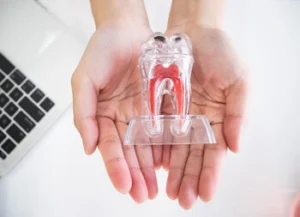
When pain is caused by pulp inflammation or a deep infection, root canal treatment removes infected tissue, cleans the inner chamber and seals it to prevent further issues. This treatment often saves a tooth that would otherwise need to be removed.
 Tooth Extraction
If the tooth is severely damaged or infected beyond repair, tooth extraction may be the safest option to prevent the infection from spreading.
Emergency Dental Services
In situations involving intense or sudden discomfort, swelling, bleeding or a broken tooth, a dentist can offer urgent care and immediate pain management.
Lifestyle Factors That Can Influence Tooth Pain Over Time
Tooth pain is not always caused by sudden injury or infection. In many cases, everyday routines can gradually irritate the tooth or increase sensitivity. Understanding these influences can help you manage discomfort and prevent future flare-ups.
Diet and Eating Habits
Certain foods can make sensitive teeth react more strongly. Sugary foods weaken the enamel over time, and acidic drinks such as citrus juices or soft drinks can slowly wear down the outer layer. As enamel thins, the underlying tooth layers become more exposed, which can contribute to a dull ache or sharp discomfort when eating or drinking.
Grinding or Clenching
Many people grind their teeth without noticing, especially during sleep. This pressure can irritate the tooth root, cause microfractures or make an affected tooth more reactive when chewing. A protective night guard recommended by a dentist may help reduce this strain.
Stress and Jaw Tension
Stress often leads to unconscious jaw clenching. This can intensify soreness and make an aching tooth feel worse than it is. Gentle jaw exercises, relaxation routines and awareness of daytime clenching habits may help ease the tension around the teeth.
Oral Care Habits
Inconsistent brushing or flossing increases plaque buildup around the gums and tooth surfaces. This can contribute to gum inflammation, early decay and recurring sensitivity. Using fluoride toothpaste regularly helps protect enamel and supports long-term dental health.
Recognising these influences can help reduce irritation and lower the chance of ongoing tooth discomfort.
Final Thoughts
 Tooth pain can be unsettling, whether it appears as a mild ache or unbearable tooth pain that disrupts your day. Understanding what helps with tooth pain gives you options to manage symptoms and minimise discomfort until proper care becomes available. While rinses, clove oil, over-the-counter medication, fluoride toothpaste, home remedies, and cold therapy can provide temporary relief, they cannot fix structural issues or infections.
Proper assessment is essential, especially when discomfort intensifies, lingers, or becomes part of a pattern. A dentist can identify the cause, prevent dental problems from worsening and recommend appropriate treatments, including dental fillings, root canal treatment, or tooth extraction when needed.
If you’re concerned about ongoing tooth pain or want clearer guidance on how to manage the discomfort, you can book a consultation with us at Definitive Dental or call (02) 6105 9833.
Note: Any surgical or invasive procedure carries risks. Before proceeding, you should seek a second opinion from an appropriately qualified health practitioner.
Resources
“Mayo Clinic Staff (2024). ‘Teeth Grinding (Bruxism)’. Mayo Clinic, 27 December. Rochester, MN: Mayo Foundation for Medical Education and Research. https://www.mayoclinic.org/diseases-conditions/bruxism/symptoms-causes/syc-20356095”
“Watson, K. (2024). ‘Is Gargling Hydrogen Peroxide Effective and Safe?’. Healthline, 30 July. San Francisco, CA: Healthline Media. https://www.healthline.com/health/gargling-hydrogen-peroxide”
“Cleveland Clinic Staff (2023). ‘Cavities’. Cleveland Clinic, 27 March. Cleveland, OH: Cleveland Clinic. https://my.clevelandclinic.org/health/diseases/10946-cavities”