
A dental bone graft is commonly used to rebuild lost bone in the jaw before future dental treatment. Many people need a bone graft after tooth loss, periodontal disease, or before a dental implant is placed.
Understanding the dental bone graft healing stages can help patients feel more prepared during recovery. While healing varies from person to person, the body follows several natural stages as new bone develops and the graft becomes more stable over time.
This guide explains the dental bone graft healing timeline, what happens during each stage, and what may help support healing after a dental bone graft procedure.
What Is A Dental Bone Graft?
A dental bone graft is a treatment used to rebuild or support bone tissue within the jaw. The treatment is often recommended when bone loss has reduced the amount of dental bone available to support implants or maintain oral health.
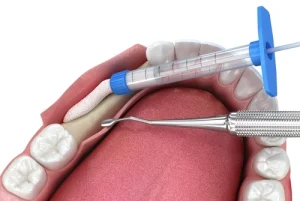
During the bone graft procedure, graft material is placed into the graft site to encourage bone regeneration and early bone formation.
Why Bone Grafts Are Used
A bone graft may be recommended for several reasons, including:
- Preparing for a dental implant
- Rebuilding bone after tooth removal
- Supporting areas affected by periodontal disease
- Replacing lost bone caused by injury or infection
As healing progresses, the graft acts as a framework where bone cells from the body gradually grow into the area.
Types Of Bone Graft Material
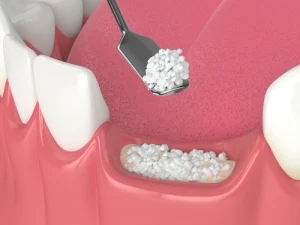 Different forms of bone graft material may be used depending on the treatment plan and the condition of the jaw.
These may include:
- Own bone taken from another area.
- Donor bone from human tissue banks.
- Animal bone processed for medical use.
- Synthetic materials designed to support bone formation.
Over time, the body gradually replaces or combines with the graft during bone graft integration.
Understanding The Bone Graft Healing Timeline
Dental bone graft healing happens gradually. The healing process involves both soft tissue healing and deeper bone healing underneath the gums.
Although healing times vary, most graft healing stages follow a similar pattern.
Stage One: The First 24 To 72 Hours
The first stage begins immediately after dental surgery.
Blood Clot Formation
After the graft is placed, blood clot formation develops around the surgical site. The blood clot helps protect the area and supports the earliest stages of tissue regeneration.
This stage is important because the clot creates the environment needed for future bone growth and healing.
Common Symptoms During Initial Healing
During initial healing, patients may notice:
- Mild swelling
- Minor bleeding
- Tender gum tissue
- Pressure around the graft site
Ice packs placed against the face may help reduce swelling during the first day after treatment.
Some patients are also advised to keep their head elevated while resting to help minimise swelling and pressure.
Eating During The First Few Days
A soft food diet is commonly recommended during the early stage of recovery.
Soft foods may include:
- Yoghurt.
- Mashed vegetables.
- Eggs.
- Soup that is not too hot.
- Smoothies eaten carefully without straws.
Avoiding hard foods may help protect the graft site while the gums begin healing.
Stage Two: The First One To Two Weeks
The next phase of dental bone graft healing focuses more heavily on soft tissue healing.
Gum Tissue Recovery
During this stage, the gum tissue begins closing over the area more completely.
Mild discomfort often improves gradually during this period, although slight swelling may still remain.
Patients are commonly advised to maintain good oral hygiene while avoiding direct pressure on the graft area.
Bone Activity Begins Underneath
Even though the surface may look better, important healing continues below the gums.
During this stage:
- New blood vessels begin forming.
- Blood vessel growth improves circulation.
- Bone cells begin entering the graft material.
- Early bone formation starts developing.
This internal healing process is essential for future bone integration.
Stage Three: Weeks Three To Eight
This stage is often less noticeable to patients because much of the healing occurs inside the jaw.
Bone Regeneration Continues
The body continues replacing portions of the graft with natural bone.
As bone regeneration progresses:
- Bone density gradually improves.
- Bone tissue becomes more organised.
- The graft becomes more stable.
- New bone growth continues around the area.
This period plays an important role in creating a solid foundation for future implant placement.
What Patients May Notice
By this stage, many people feel mostly back to normal.
However, some mild sensations may still occur, including:
- Occasional tenderness
- Mild pressure
- Temporary sensitivity around the surgical site
Severe pain or worsening pain is not considered typical and should be assessed by a dentist.
Stage Four: Bone Maturation
The final healing stage involves long-term bone maturation.
 Bone Integration And Strengthening
As the months continue, bone graft integration becomes more complete.
The graft slowly combines with the surrounding bone tissue while blood vessels and bone cells continue supporting healing.
This process helps create stronger bone support that implants may eventually rely on.
Preparing For Dental Implant Placement
Once enough bone healing has occurred, the area may be ready for implant placement.
The timing depends on:
- The amount of graft material used
- The location of the graft
- Overall bone density
- The body’s healing response
Some smaller grafts heal faster, while larger procedures may require additional healing time before a dental implant can be placed safely.
Factors That Can Affect Bone Graft Healing
Several factors may influence the healing process and how quickly bone regeneration occurs.
Oral Health And Hygiene
Good oral hygiene is an important part of the recovery process.
Keeping the mouth clean may help reduce bacteria near the graft site and support healthier soft tissue healing.
Medical Conditions And Medications
Certain health conditions may slow healing, including:
- Autoimmune disorders
- Conditions affecting circulation
- Uncontrolled inflammation
Some medications may also affect healing after a dental bone graft procedure.
For example, blood thinners may increase bleeding risk after surgery.
Smoking And Lifestyle Factors
Smoking may reduce blood vessel growth and limit oxygen supply to healing tissues.
Poor nutrition and inconsistent aftercare may also interfere with graft healing.
Signs Healing Is Progressing Normally
Many patients wonder whether their dental bone graft healing is progressing properly.
Normal signs often include:
- Gradual reduction in swelling
- Improved comfort over time
- Healthy-looking gum tissue
- Stable healing around the surgical site
Small changes in sensation during healing are often expected as the body continues adapting to the graft.
Possible Complications During Recovery
Although many bone graft procedures heal without major issues, complications can occasionally occur.
Signs That May Need Attention
Patients should contact a dentist if they notice:
- Severe pain that continues worsening
- Heavy bleeding that does not slow down
- Significant swelling after several days
- Possible signs of infection, including discharge or fever
Early assessment may help identify problems before graft failure develops.
Understanding Graft Failure
Graft failure happens when the graft does not combine properly with the surrounding bone.
Possible causes may include:
- Infection
- Movement of the graft
- Poor blood supply
- Excessive pressure during healing
Not every complication leads to graft failure, but monitoring symptoms carefully remains important.
How Long Before You Can Get A Dental Implant
Many patients wonder how long they need to wait between a bone graft and dental implant placement. The answer depends on how much healing is needed and how well the graft combines with the surrounding bone.
In some situations, a dental implant may be placed during the same appointment as the bone graft. This is more likely when only a small amount of bone support is needed, and the existing bone remains stable enough to support the implant securely.
However, many patients require a healing period before implant placement can safely proceed. This allows the graft material time to combine with the jaw and develop stronger bone density.
Why Healing Time Can Vary
Healing time is not always the same for every patient. Several factors may influence how quickly the area becomes ready for an implant.
These may include:
- The size of the graft
- The amount of previous bone loss
- The location of the graft site
- Overall oral health
- Smoking or certain medical conditions
Smaller grafts used after tooth removal may heal more quickly than larger grafts involving wider areas of bone regeneration.
How Dentists Assess Readiness
Before proceeding with a dental implant, a dentist usually checks whether enough stable bone has developed.
This assessment may involve:
- Reviewing healing progress during appointments
- Examining the gum tissue
- Taking dental X-rays to evaluate bone growth and density
The goal is to confirm that the area can support long-term implant stability before treatment continues.
Why Waiting Can Be Important
Although some patients hope to move quickly toward implant treatment, bone healing takes time. The body continues building and strengthening bone beneath the surface long after the gums appear healed.
Allowing enough time for bone maturation may help create a more stable foundation for future implant placement and long-term support.
What The Graft Area May Look Like During Healing
The appearance of the graft area can change several times during recovery. Many of these changes are a normal part of healing, although patients are sometimes surprised by how the area looks during the first few weeks.
Early Changes After Surgery
During the first several days, the surgical site may appear:
- Swollen
- Slightly red
- Bruised in some areas
- Uneven around the gum tissue
Small amounts of bleeding or pink saliva may also occur early in recovery.
As swelling improves, the area often begins looking more stable and less irritated.
Stitches And Healing Tissue
If stitches are used, they may remain visible for several days or weeks, depending on the type placed during surgery.
Some patients also notice:
- White or pale healing tissue
- Slight firmness near the graft site
- Temporary changes in gum shape
These changes do not always mean there is a problem. The gums and surrounding tissue continue adjusting while deeper bone healing develops underneath.
Small Graft Particles
Occasionally, very small particles of graft material may become visible near the surgical site during healing.
This can sometimes happen while the area is settling or as the gums close over the graft more completely. Small particles are not always a sign of graft failure, although ongoing concerns should still be checked by a dentist.
What Happens To The Graft Material Over Time
Many patients assume the graft material simply stays in the jaw permanently without changing. In reality, the body gradually reshapes and adapts the area throughout the healing process.
The graft acts as a framework that supports bone regeneration while the body produces new bone tissue over time.
Early Changes Inside The Graft
Soon after the procedure, blood vessels begin growing into the grafted area. This helps deliver nutrients and oxygen needed for healing.
As healing continues:
- Bone cells move into the graft
- New blood vessels continue forming
- Early bone formation develops
- The graft becomes more stable
This process helps connect the graft with the surrounding natural bone.
Gradual Bone Replacement
Over time, parts of the graft material may slowly be replaced by the body’s own bone tissue.
How much replacement occurs depends on:
- The type of graft material used
- The size of the graft
- The body’s healing response
Some graft materials break down more gradually, while others remain partially present for longer periods.
Long-Term Bone Integration
As months pass, the area continues strengthening through bone integration and bone maturation.
The goal is not simply to “fill” the area, but to support a healthier bone structure that can handle normal pressure from chewing or future dental implants.
Even after major healing is complete, small internal changes in bone tissue may continue for an extended period as the jaw adapts to the grafted area.
Why Some Grafts Take Longer To Heal Than Others
Bone graft healing does not happen at exactly the same speed for every patient. Some people recover more quickly, while others may need a longer healing period before the area becomes stable enough for future treatment.
This difference is often related to a combination of biological factors, oral health conditions, and the size of the graft itself.
The Size And Location Of The Graft
Larger bone grafts usually take longer to heal than smaller ones because the body needs more time to rebuild and strengthen the area.
The location of the graft may also affect healing speed. Areas with more significant bone loss or reduced bone density may require additional time for bone regeneration and bone maturation.
For example, grafts placed in the upper jaw may sometimes heal more slowly than grafts in denser areas of the lower jaw.
Existing Bone And Blood Supply
Healing depends heavily on the blood supply within the surrounding bone tissue.
Healthy blood vessels help deliver oxygen, nutrients, and healing cells into the graft site. If circulation is reduced, the healing process may progress more slowly.
The amount of existing bone around the graft can also affect stability and bone integration during recovery.
Health Conditions And Medications
Some medical conditions may influence how quickly the body heals after dental surgery.
Conditions involving inflammation, circulation, or immune system function may affect tissue regeneration and bone healing. Certain medications may also interfere with blood clot formation or increase swelling and bleeding during recovery.
Patients taking blood thinners or managing autoimmune disorders are often monitored more carefully throughout the healing period.
Why Healing Timelines Can Still Vary
Even when two patients receive similar treatment, healing may still progress differently. The body’s natural healing response is not identical for everyone.
Regular follow-up appointments allow the dentist to monitor healing progress and assess when the graft area is becoming stable enough for future treatment, including dental implant placement where appropriate.
How To Support Better Healing
There are several practical ways patients may help promote healing after dental surgery.
Helpful Recovery Habits
 Patients are often advised to:
- Follow post-treatment instructions carefully.
- Eat a soft diet during early recovery.
- Avoid disturbing the blood clot.
- Maintain good oral hygiene.
- Attend follow-up appointments
These steps may support tissue regeneration and help protect the graft during healing.
Rest And Recovery
Allowing one’s own body enough rest after a surgical procedure is also important.
The body needs time to repair bone tissue, form new blood vessels, and continue bone formation within the graft area.
Final Thoughts On Dental Bone Graft Healing Stages
The dental bone graft healing stages involve several gradual changes inside the jaw, from blood clot formation and soft tissue healing to long-term bone maturation and bone integration.
While recovery timelines vary, understanding the healing process may help patients feel more prepared during recovery after a dental bone graft procedure.
If you are concerned about bone loss or would like support with recovery after a dental bone graft procedure, you can book a consultation with us at Definitive Dental or call (02) 6105 9833 to discuss your situation and appropriate care options.
Note: Any surgical or invasive procedure carries risks. Before proceeding, you should seek a second opinion from an appropriately qualified health practitioner.
Resources
“Mayo Clinic Staff (2024). ‘Dental Implant Surgery’. Mayo Clinic, 23 October. Rochester, MN: Mayo Foundation for Medical Education and Research. https://www.mayoclinic.org/tests-procedures/dental-implant-surgery/about/pac-20384622”
“Healthdirect Australia (2025). ‘Tooth Extraction’. Healthdirect Australia, February. Sydney, NSW: Healthdirect Australia. https://www.healthdirect.gov.au/tooth-extraction”
“Kubala, J. (2023). ‘Soft Food Diet: Foods to Eat and Foods to Avoid’. Healthline, 15 March. San Francisco, CA: Healthline Media. https://www.healthline.com/nutrition/soft-food-diet”
“Kaur, P., Maria, A., Singh, H., Nagpal, R., Kaur, G., and Kaur, M. (2013). ‘Bone Grafts In Dentistry’. Journal of Pharmacy and Bioallied Sciences, June. Mumbai: Medknow Publications. https://pmc.ncbi.nlm.nih.gov/articles/PMC3722694/”
“Cleveland Clinic (2025). ‘Dental X-Rays’. Cleveland Clinic, 16 August. Cleveland, OH: Cleveland Clinic. https://my.clevelandclinic.org/health/diagnostics/11199-dental-x-rays”
“Colgate (2023). ‘What Is Good Oral Hygiene?’. Colgate, 9 January. New York, NY: Colgate-Palmolive Company. https://www.colgate.com/en-us/oral-health/adult-oral-care/what-is-good-oral-hygiene”