

Headaches are one of the most common reasons people seek care, but not every headache starts in the head. For some people, the source of persistent or recurring head pain is the jaw joint: the temporomandibular joint, or TMJ.
The connection between jaw tension and recurring head pain is often missed, partly because TMJ-related headaches closely resemble other headache types. Knowing what to look for is often the first step toward managing them effectively.
Quick Overview
- TMJ headaches are head pain associated with dysfunction in the temporomandibular joint and the muscles around the jaw
- They may apply to people who grind their teeth, clench their jaw, or have jaw joint issues, and in some cases, with no obvious trigger at all
- Symptoms often overlap with tension headaches, making them easy to misidentify and difficult to manage without addressing the jaw
- How often the headaches occur, how severe they are, and how they respond to treatment can vary significantly between individuals
- A dental assessment can help determine whether jaw function is contributing to your headache pattern
Below, we explain how the TMJ connects to headaches, what the common symptoms look like, what can trigger or worsen them, and what management approaches may help.
What Is the TMJ and How Does It Cause Headaches?
The temporomandibular joint is the hinge-like joint that connects your lower jaw to your skull. You have one on each side of your face, just in front of your ears. This joint allows your jaw to open, close, and move side to side, making it active whenever you chew, speak, or yawn.
When this joint or the muscles around it are under strain, the discomfort does not always stay localised to the jaw. Pain can radiate to the temples, the sides of the head, and even the neck. This happens partly because the jaw shares nerve pathways with surrounding facial muscles and tissues. When those muscles are tense or overworked, pain signals can spread beyond the jaw itself.
TMJ dysfunction affects nearly half of all people at some stage during their life, with symptoms that can include a dull, aching jaw pain alongside headaches felt near the temples or ears.
What Do TMJ Headache Symptoms Feel Like?
TMJ headaches are frequently described as a dull, aching, or throbbing pain on one or both sides of the head. Unlike some other headache types, they tend to be closely tied to jaw use and muscle tension rather than being purely neurological in origin.
Common symptoms associated with TMJ headache pain include: 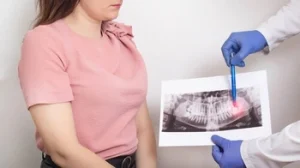
- Jaw pain or jaw tenderness when eating, talking, or yawning
- Facial pain that spreads from the jaw toward the cheeks, ear area, or neck
- A feeling of jaw tightness or jaw tension, particularly after waking
- Clicking, popping, or grating sounds when moving the jaw
- Limited jaw movement or a jaw that feels like it locks briefly
- Neck pain or upper cervical spine stiffness accompanying the headache
- Ear pain or a feeling of fullness near the ears, without any ear infection
These symptoms can vary in intensity and frequency. Some people notice them mainly after periods of stress, while others find the headaches are present most mornings and ease throughout the day.
What Triggers or Worsens TMJ Headaches?
Several factors can place extra strain on the temporomandibular joint and surrounding muscles, making headaches more frequent or more intense.
Teeth grinding and jaw clenching. Also known as bruxism, this is one of the most common contributors to TMJ-related headache pain. Many people grind or clench during sleep without realising it, waking with a sore jaw and a headache already in place. Around 5% of Australians grind their teeth regularly, with stress a key contributing factor.
Stress and muscle tension. Periods of ongoing stress often show up in the jaw. Holding tension in the facial muscles, clenching during concentration, or jaw tightening during sleep can all increase the load on the joint over time.
Hard or chewy foods. Repeatedly biting into hard foods or chewing gum for extended periods places sustained pressure on the jaw joint and can aggravate existing symptoms.
Poor posture. Forward head posture, particularly from prolonged screen use, places additional strain on the neck and upper cervical spine, which connects closely to the muscles supporting the jaw.
Jaw injury or previous dental work. A history of jaw injury, uneven bite, or changes to how the teeth fit together can shift the load on the joint in ways that build discomfort over time.
What Can Help with TMJ Headache Symptoms?
Managing TMJ headaches generally involves identifying the underlying cause and reducing the strain on the jaw joint over time. Approaches may vary depending on what is driving the symptoms.
Occlusal splints and mouth guards. For people whose symptoms are linked to teeth grinding or jaw clenching, a custom-fitted mouth guard worn at night may help reduce the pressure on the jaw joint and surrounding muscles. An occlusal splint is designed to protect the teeth and reduce jaw joint strain linked to grinding, though it does not stop the grinding itself.
Avoiding jaw overload. Resting the jaw, avoiding hard or chewy foods during flare-ups, and being mindful of clenching during the day can all reduce the frequency of symptoms.
Stress management. Because stress is a significant driver for many people, finding ways to reduce muscle tension through relaxation techniques, regular movement, or addressing sources of stress directly may help lower the frequency of headaches.
When to See a Dentist About Jaw-Related Headaches
 TMJ-related headaches are often manageable once the underlying cause is identified, whether that is teeth grinding, jaw tension, posture, or something else. Many people live with these symptoms for some time without realising the jaw is involved. A dental assessment is a practical starting point for working out whether that connection exists and what options may help.
At Definitive Dental, Dr Anthony Le and our team take a considered approach to jaw-related concerns. Individual outcomes vary depending on the cause, how long symptoms have been present, and which management approach is most appropriate for your situation.
If you have been experiencing regular headaches alongside jaw discomfort and are looking for a considered assessment, we welcome you to get in touch with Definitive Dental in Griffith, Canberra. Call us on (02) 6105 9833 or book below.
Book an appointment with Definitive Dental
Frequently Asked Questions
Can teeth grinding cause headaches?
Yes, teeth grinding, also called bruxism, places significant ongoing pressure on the jaw joint and surrounding muscles. This muscle tension can radiate upward and present as a headache, often most noticeable on waking. Many people who grind their teeth are unaware of it until a dentist identifies the signs or a sleep partner notices the sound.
How do I know if my headaches are from my jaw?
A few features suggest the jaw may be involved: headaches that are worse in the morning, pain that spreads from the jaw toward the temples or ears, jaw clicking or locking, and facial muscle tenderness alongside the headache. If these features are present alongside persistent headaches, a dental assessment can help determine whether jaw function is contributing.
References
Better Health Channel. (n.d.). ‘Teeth Grinding’. Better Health Channel. Melbourne, VIC: Victoria State Government. https://www.betterhealth.vic.gov.au/health/conditionsandtreatments/teeth-grinding
Healthdirect Australia. (2026). ‘Temporomandibular Joint (TMJ) Dysfunction’. Healthdirect Australia. Canberra, ACT: Australian Government. https://www.healthdirect.gov.au/temporomandibular-joint-dysfunction
Teeth.org.au. (n.d.). ‘Teeth Grinding’. Teeth.org.au. Sydney, NSW: Australian Dental Association. https://www.teeth.org.au/teeth-grinding