

A broken tooth can happen suddenly or develop slowly over time. You might crack a tooth while biting something hard, notice a piece chip off an old filling, or feel ongoing pain when chewing. When this happens, one common and reliable solution is a dental crown to restore the broken tooth.
This guide explains what a dental crown is, when it’s used for a broken or cracked tooth, how the dental crown procedure works, and what to expect before and after treatment. Everything is explained in clear, easy-to-understand language.
What Is a Dental Crown for a Broken Tooth?
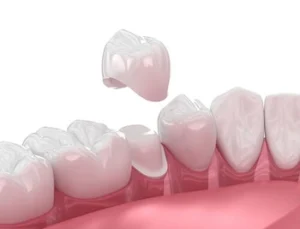 A dental crown is a custom-made cap designed to fit over a damaged tooth. It is designed to restore strength, shape, and appearance while protecting the remaining tooth structure underneath.
When a tooth is broken or cracked, its natural tooth enamel and inner layers may no longer be strong enough to handle normal biting and chewing forces. A crown covers the tooth completely, acting as a protective outer shell and reducing the risk of further damage.
Dental crowns are commonly used for a broken tooth, a cracked tooth, or a tooth that cannot be safely repaired with a filling alone.
Why a Broken Tooth Often Needs a Crown
Not all dental issues require crowns, but they are often recommended when there is extensive tooth damage. A crown may be needed if:
- A large portion of the tooth has broken off.
- The tooth is weakened after decay or treatment.
- There is a crack extending into the tooth structure.
- A large filling has failed.
- The tooth has undergone root canal treatment.
In these cases, a filling material alone may not provide enough support. A crown helps shield the tooth from further damage while restoring normal function.
How a Crown Protects Tooth Structure
A healthy tooth has a strong outer layer of natural tooth enamel, which protects the softer inner layers. When a tooth breaks, this protective enamel may be lost, exposing the dentine or even the tooth pulp.
A crown replaces the missing outer surface and covers the visible portion of the tooth above the gum line. This helps shield the inner tooth from bacteria, temperature changes, and pressure during chewing.
Dental Crown vs Other Tooth Replacement Options
It’s important to understand how crowns differ from other dental treatments.
- A dental crown restores and protects an existing tooth.
- A dental implant replaces an entire missing tooth.
- A dental bridge replaces missing teeth by anchoring to nearby teeth.
Crowns are used when the tooth is still present but damaged. If the tooth cannot be saved, other options may be discussed.
Types of Dental Crowns
Dental crowns come in several types, each with its own materials and uses. The choice depends on the tooth’s location, appearance needs, and functional demands.
Porcelain Crowns and All-Ceramic Crowns
Porcelain crowns and all-ceramic crowns are popular for their natural appearance. They closely match the colour and translucency of natural teeth, making them suitable for front teeth.
Ceramic crowns are metal-free and can be a good option for people with metal allergies.
Porcelain-Fused-to-Metal Crowns
Porcelain-fused-to-metal crowns feature a metal inner core with a porcelain outer layer. They combine strength with a tooth-coloured surface, though the metal edge may sometimes be visible near the gum line.
Metal Crowns
Metal crowns, including gold alloys, are very durable and handle heavy chewing forces well. They are often used for out-of-sight molars, where appearance is less important.
Zirconia Crowns
Zirconia crowns are strong, long-lasting, and offer a natural look. Metal or zirconia crowns are often chosen for back teeth due to their durability.
The Dental Crown Procedure Explained
The dental crown procedure usually takes place over one or two visits to the dentist’s office, depending on the type of crown used.
Step 1: Examination and Planning
The dentist assesses the broken or cracked tooth, checking for decay, cracks, or damage to the pulp. X-rays may be taken to evaluate the root and surrounding bone.
If infection reaches the pulp, root canal treatment may be needed before crown placement.
Step 2: Tooth Preparation
Tooth preparation involves reshaping the tooth so the crown can fit properly. This involves removing damaged enamel and smoothing the tooth to create space for the crown.
If the tooth is badly damaged, additional support may be built up using filling material to strengthen the base.
Step 3: Temporary Crown
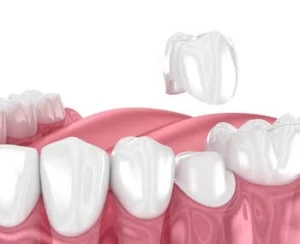
A temporary crown is fitted to protect the tooth while the final crown is created. Temporary crowns are usually made from acrylic and held in place with temporary dental cement.
Step 4: Permanent Crown Placement
When ready, the permanent crown is checked for fit, colour, and comfort. When the crown fits properly, it is secured using strong dental cement.
Same Day Dental Crowns
Some clinics offer same-day dental crowns, where digital scanning and on-site technology are used to create crowns in a single visit. This avoids the need for a temporary crown, though not all cases are suitable.
 What Happens If the Tooth Needs a Root Canal?
When the pulp is involved due to decay or damage, a root canal may be required before crown placement. This removes infected tissue and seals the tooth.
Once a root canal is completed, the tooth may become more brittle. A crown is often recommended to protect the weakened tooth and prevent fracture.
How Long Do Tooth Crowns Last?
With proper care, tooth crowns can last many years. Longevity depends on:
- Oral hygiene habits
- Biting forces
- Crown material
- Regular dental check-ups
Avoiding habits like chewing ice or grinding teeth helps reduce wear.
Common Issues After Crown Placement
Most crowns feel comfortable after a short adjustment period, but issues can occur.
Loose Crown
A loose crown may occur if the cement weakens or the underlying tooth changes. This should be checked promptly to avoid further damage.
Sensitivity or Discomfort
Some sensitivity near the gum line is normal initially. Ongoing pain may indicate bite issues or decay under the crown.
 Caring for a Dental Crown
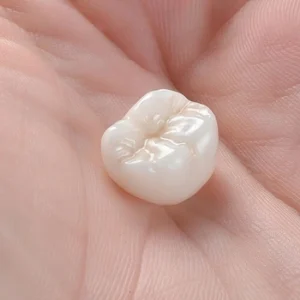
Caring for a crown is similar to caring for natural teeth.
- Brush twice each day with a soft-bristle toothbrush.
- Clean along the gum line.
- Maintain good oral hygiene.
- Attend regular dental visits.
Crowns protect teeth, but the underlying tooth can still develop tooth decay if plaque builds up.
Can a Crown Prevent Further Dental Issues?
A properly fitted crown helps protect against further damage, restores strength, and supports long-term oral health. However, crowns do not make teeth indestructible.
Regular dental check-ups help identify issues early, especially around crown margins.
When a Crown May Not Be Enough
In cases where damage extends below the gum or the tooth structure cannot be saved, other treatments may be needed. This may include extraction followed by replacement options.
Early assessment improves the chance of saving the tooth.
Final Thoughts
A dental crown is a reliable and commonly used solution that restores strength, appearance, and function. Whether the damage comes from decay, trauma, or wear, crowns help protect natural teeth and support long-term oral health.
If you’ve noticed pain, a crack, or changes when biting, seeking early advice from a dentist can help prevent further damage.
If you’re concerned about a broken or cracked tooth, ongoing discomfort, or whether a dental crown is the right option, you can book a consultation with us at Definitive Dental or call (02) 6105 9833.
Resources
Cleveland Clinic Health Library (2023). ‘Cavities’. Cleveland Clinic, last reviewed 27 March. Cleveland, OH: Cleveland Clinic. https://my.clevelandclinic.org/health/diseases/10946-cavities
Mayo Clinic Staff (2025). ‘Root Canal Treatment’. Mayo Clinic, 5 September. Rochester, MN: Mayo Foundation for Medical Education and Research. https://www.mayoclinic.org/diseases-conditions/tooth-abscess/in-depth/root-canal/art-20585454
Colgate Editorial Team (n.d.). ‘What Is Tooth Enamel?’. Colgate, United States. New York, NY: Colgate-Palmolive Company. https://www.colgate.com/en-us/oral-health/mouth-and-teeth-anatomy/what-is-tooth-enamel
Note: Any surgical or invasive procedure carries risks. Before proceeding, you should seek a second opinion from an appropriately qualified health practitioner.