

Many people ask: “Do dental fillings hurt?” especially if they have not had one before. It is a common concern when going to the dentist, and it often relates to uncertainty about the dental filling procedure.
Dental fillings are commonly used to manage tooth decay and help protect the affected tooth from additional damage. While some level of discomfort can occur, most patients find the experience manageable with modern techniques.
Understanding what happens before, during, and after getting a filling can make all the difference when preparing for treatment.
Why Dental Fillings Are Needed
A tooth filling is usually recommended when tooth decay has damaged part of the tooth. If left untreated, this may result in further decay, possible tooth loss, or the need for more involved treatment such as root canal therapy.
How Tooth Decay Leads To Treatment
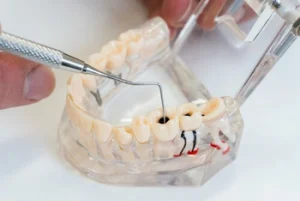 Tooth decay begins when harmful bacteria affect the surface of the tooth. Over time, this can create a cavity that needs to be treated.
If the decay is addressed early, a simple filling procedure can restore the tooth. Delaying treatment may allow the decay to spread deeper, which can increase discomfort and lead to additional treatment.
Addressing Cavities Early
Addressing cavities early helps reduce discomfort and protects overall oral health. Early treatment also reduces the likelihood of needing deep fillings or more involved procedures later on.
Do Dental Fillings Hurt During The Procedure?
This is the question most people ask before getting a filling. The answer depends on several factors, including the condition of the affected tooth and how sensitive the area is.
How Pain Is Managed In The Dental Chair
Before the procedure begins, a local anaesthetic is applied to numb the area around the affected tooth. This helps manage pain during the dental filling procedure.
While you may feel pressure or movement in the dental chair, most patients do not experience intense discomfort. Some people describe the sensation as unusual rather than painful.
What You May Notice
During the filling procedure, you may notice:
- A feeling of pressure while the dentist removes decay
- Sounds or vibrations from dental instruments
- Temporary tooth sensitivity to air or water
These sensations are normal and do not usually mean the filling has caused a problem.
What Happens During A Dental Filling Procedure
Having a clear understanding of the steps involved can help ease uncertainty about getting a filling.
Removing The Decay
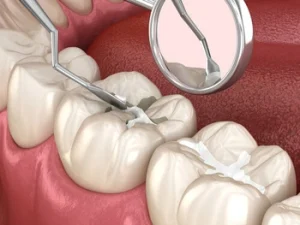
The dentist carefully removes the damaged part of the tooth caused by decay. This step is important to prevent further damage and protect the remaining structure.
Placing The Filling Material
Once the area is clean, a filling material such as composite resin is placed into the tooth. This material is shaped to match the natural structure of the tooth.
Restoring The Tooth
The filling is then adjusted so your bite feels natural and comfortable. This helps prevent bite issues after the procedure.
Does A Dental Filling Hurt After The Procedure?
After the numbness wears off, it is normal to notice some changes in the treated tooth.
Mild Discomfort And Sensitivity
Some patients experience mild discomfort in the filled tooth. This can include sensitivity to hot or cold foods and drinks.
Tooth sensitivity is usually temporary and improves as the tooth adjusts to the new filling.
How Long Sensitivity Lasts
For most patients, sensitivity settles within a few days to a few weeks. It is helpful to avoid extremely hot or cold foods during this time to minimise discomfort.
When Discomfort May Need Attention
While mild symptoms are expected, certain situations may require a review.
Ongoing Pain Or Bite Changes
If pain persists or the bite feels uneven, it may indicate that the filling needs adjustment. A small correction can often resolve this issue.
Signs To Watch For
Contact a dentist if you notice:
- Ongoing pain that does not improve
- Intense pain when biting
- Sensitivity that worsens over time
These symptoms may suggest the need for additional treatment.
Deep Fillings And Increased Sensitivity
Not all fillings are the same. Deep fillings can affect the inner layers of the tooth.
 Why Deep Fillings Feel Different
When decay is close to the nerve, the tooth may be more sensitive after treatment. This can lead to increased discomfort compared to smaller fillings.
When Additional Treatment Is Needed
In some cases, further care such as root canal therapy may be recommended if symptoms continue. This helps treat deeper issues within the tooth.
Rare Situations To Be Aware Of
Although uncommon, some situations may affect how a patient experiences a filling.
Allergic Reactions
In rare cases, some patients may experience an allergic reaction to a dental material used in the filling. This may lead to irritation or discomfort in the treated area.
When A Filling May Not Be Enough
If decay is extensive, a simple filling may not be enough to restore the tooth. In these cases, additional treatment may be considered to protect oral health.
How To Reduce Discomfort After A Filling
There are simple ways to support recovery after a dental filling.
Managing Sensitivity
You can help reduce discomfort by:
- Avoiding hard or sticky foods for a short period
- Limiting very hot or cold foods
- Using products designed for sensitive teeth
These steps can help the tooth adjust more comfortably.
How Long A Filling Lasts
The lifespan of a filling can vary depending on how the tooth is used day to day. Areas that take more chewing pressure may place greater strain on the filling, which can affect how long it stays intact over time.
Small habits also play a role. Grinding, clenching, or biting on hard objects can gradually wear the surface of a filling. In some cases, changes are not immediately noticeable, but the filling may slowly lose its shape or seal.
Regular dental check-ups help track these changes early. If a filling begins to wear down or loosen, it can often be repaired or replaced before it leads to further problems with the tooth.
Eating And Daily Habits After A Filling
Your dentist may provide guidance on what to expect when eating after treatment.
Choosing The Right Foods
Soft foods are often easier to manage shortly after getting a filling. Hard or sticky foods should be avoided until the tooth feels stable.
Returning To Normal Habits
Most patients can return to normal habits within a short time. Paying attention to how the bite feels can help identify any issues early.
Final Thoughts On Do Dental Fillings Hurt
 So, do dental fillings hurt? For most patients, the experience involves manageable sensations rather than intense pain. Modern techniques help manage discomfort during the procedure, and any discomfort afterwards is usually temporary.
Understanding what to expect can make going to the dentist feel more manageable. It also supports you in taking an active role in protecting your oral health and reducing the risk of further decay.
If you are concerned about tooth sensitivity or would like support with managing discomfort after a filling, you can book a consultation with us at Definitive Dental or call (02) 6105 9833 to discuss your situation and appropriate care options.
Resources
“Mayo Clinic Staff (2023). ‘Cavities and Tooth Decay’. Mayo Clinic, 30 November. Rochester, MN: Mayo Foundation for Medical Education and Research. https://www.mayoclinic.org/diseases-conditions/cavities/symptoms-causes/syc-20352892”
“Cleveland Clinic (2025). ‘Root Canal’. Cleveland Clinic, 3 July. Cleveland, OH: Cleveland Clinic. https://my.clevelandclinic.org/health/treatments/21759-root-canal”
“Kubala, J. (2023). ‘Soft Food Diet: Foods to Eat and Foods to Avoid’. Healthline, 15 March. San Francisco, CA: Healthline Media. https://www.healthline.com/nutrition/soft-food-diet”