

A broken tooth can be stressful on its own, but when it exposes the nerve, the situation becomes much more urgent. This type of dental injury often results in sharp pain, sensitivity to temperature, swelling and discomfort that seems to radiate through the jaw. While many people immediately search for a home remedy for broken tooth with exposed nerve, it is important to understand that any method you use at home can only provide temporary relief until you can see a dentist for proper examination and treatment.
This article explains why an exposed nerve is so painful, how to manage symptoms safely at home, which home remedies may help temporarily reduce pain and why only a dentist can fix the underlying issue. The goal is to give you clear, practical steps without overwhelming you with unnecessary details.
Why an Exposed Tooth Nerve Hurts So Much
The inside of a tooth contains the tooth nerve, blood vessels and soft pulp tissue. When a tooth breaks deeply, whether from tooth decay, injury, teeth grinding or biting something hard, this inner structure can become exposed. Once that nerve is open to air, temperature, bacteria or food particles, the pain signals sent to the brain can be intense.
Common symptoms include: 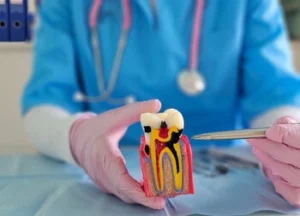
- Sharp pain when breathing in cold air
- Sudden bursts of tooth nerve pain
- Pain radiating to the jaw or ear
- Sensitivity when touching the affected tooth
- Ongoing throbbing or persistent pain
- Swelling of the surrounding gum tissue
- Difficulty chewing
If bacteria reach the nerve, an infected nerve or an abscessed tooth may develop, causing severe pain, swelling, a bad taste, or a fever.
These symptoms indicate damage that cannot heal on its own. You can use home strategies to relieve pain, but resolving the issue requires professional dental care. If the pain persists, it usually means the nerve is inflamed or exposed and needs timely assessment.
What You Can Do Immediately. Short-Term Pain Relief at Home
The first goal is to protect the exposed nerve and reduce inflammation. The following home remedies and supportive techniques can help calm a painful tooth until you can access professional dental care.
Rinse Your Mouth With Warm Water
A simple glass of warm water is one of the most effective first steps. Gently rinsing helps remove trapped food, sugar or debris from the affected area, reducing irritation.
Avoid very hot or very cold water because this can trigger more nerve pain.
Repeat after meals to keep the tooth clean.
This step supports oral health until treatment is available.
Apply a Cold Compress or Ice Pack
A cold compress or ice pack held against the cheek can:
- Reduce swelling
- Numb pain around the damaged tooth
- Provide temporary comfort
Cold temperatures should not come into direct contact with the tooth, as they can worsen sensitivity from the exposed nerve.
Use Over-the-Counter Medication for Pain Relief
Common over-the-counter medications can help manage dental pain.
Anti-inflammatory tablets, where appropriate, can reduce pressure and swelling.
They can also make it easier to sleep through nerve pain.
Avoid placing medication directly on the tooth, as this can burn the gum tissue and damage the tooth enamel.
Clove Oil. A Natural Option With Numbing Ability
Clove oil is one of the oldest toothache remedies because of its anti-inflammatory properties and mild numbing effect.
How to use it:
- Dip a cotton ball in a few drops of clove oil.
- Place it gently on the affected area without pressing too hard.
- Leave it in place for a short period.
Clove oil can temporarily relieve tooth pain, but remember that the relief is temporary.
Hydrogen Peroxide Rinse Used Carefully
A diluted hydrogen peroxide rinse, never swallowed, can work as a natural disinfectant and help decrease bacteria if there is an early infection. Hydrogen peroxide should only be used when mixed appropriately with water and swished gently.
This method may help calm an aching tooth, but it is not safe for everyone. If unsure, skip it and rely on other home options.
Tea Bag Compress for Mild Numbing
A cool or slightly warm tea bag pressed gently against the affected tooth may provide mild comfort. Some herbal teas contain compounds that can calm irritated gum tissue.
This is one of the gentler home remedies and is especially useful if your mouth is too sensitive for other options.
Use Fluoride Toothpaste on the Tooth Surface
If damage has not extended too far and the enamel is thin, a small amount of carefully applied fluoride toothpaste can coat the surface.
This is not a long-term fix, but fluoride can:
- Strengthen weakened tooth enamel
- Reduce ongoing tooth sensitivity
- Offer small periods of temporary relief
Some people also use a dentist-recommended fluoride treatment at home.
Warm Salt Water Rinse
Mixing warm water with salt creates a natural, gentle rinse that helps calm irritated tissue and keep the affected area clean. Salt water promotes healing and can lower the risk of infection around the broken tooth.
What to Avoid. Mistakes That Can Make the Pain Worse
 While searching for a home remedy for a broken tooth with an exposed nerve, avoid methods that could further damage your tooth.
- Do not apply heat directly to the face or tooth because this can worsen swelling.
- Do not chew on the affected tooth or touch the exposed nerve.
- Avoid sugary or acidic foods that irritate an infected nerve.
- Do not use temporary dental filling kits if the nerve is exposed because they may trap bacteria.
- Avoid relying on home treatments for more than a short period because broken teeth typically worsen without professional care.
When a Broken Tooth Means Something More Serious
A broken tooth combined with nerve exposure can be linked to larger oral health concerns, including:
- Tooth decay that has reached the nerve
- Gum disease that weakens the support around the tooth
- Teeth grinding that wears teeth down
- Abscessed tooth, caused by bacteria spreading
- Damage requiring tooth extraction if treatment is delayed
This is why relying on home remedies alone is risky. You can provide temporary relief, but the nerve cannot recover without a professional dental assessment.
How Dentists Treat a Broken Tooth With an Exposed Nerve
Home care can stabilise discomfort, but it cannot repair the structure of a broken tooth. Once you arrive at a dental clinic, the dentist will examine the damage, the condition of the tooth nerve and check for infection.
Depending on the severity, professional dental treatments may include:
Dental Fillings or Bonding
If only a small portion is broken and the nerve is not severely damaged, dental fillings or bonding may be used to rebuild the missing structure and protect the inner tooth.
Fluoride Treatment or Desensitising Agents
If sensitivity is caused by enamel loss rather than severe nerve exposure, strengthening agents help reduce discomfort.
Root Canal Therapy
If the nerve is exposed or infected, root canal therapy is usually required. It removes bacteria from the inside of the tooth and protects the remaining structure.
This is essential for saving a tooth with significant damage.
Dental Crowns
If the tooth is badly fractured, a crown can protect it long-term after the nerve has been treated.
Tooth Extraction
Extraction is a last resort when the tooth cannot be saved. After removal, options such as replacement prosthetics can be discussed.
Why Home Remedies Should Only Be Temporary
It is understandable to look for a quick home remedy for a broken tooth with an exposed nerve, especially when experiencing severe discomfort. However:
- Home remedies cannot repair tooth structure.
- They cannot stop the infection once it begins.
- They cannot treat deep decay.
- They cannot close an exposed nerve.
They simply temporarily reduce pain until you reach appropriate professional dental care.
In dentistry, time matters. The sooner the nerve is protected, the better your chance of avoiding complications, tooth loss, or the spread of infection.
Final Thoughts
 A broken tooth with an exposed nerve is a dental emergency that causes significant discomfort, swelling and sensitivity. While techniques like cold compresses, clove oil, rinsing with warm water or a gentle hydrogen peroxide rinse can offer temporary relief, they are not long-term solutions. The underlying problem requires proper assessment and treatment, often involving dental fillings, crowns or root canal therapy.
If you are experiencing intense tooth pain, tooth nerve pain or signs of infection, the most important step you can take is to see a dentist as soon as possible. Home remedies can help you get through the wait, but only a dentist can repair the damage, protect your dental health and prevent complications.
If you’re concerned about a broken tooth that’s causing nerve pain or you want clearer guidance on what to do next, you can book a consultation with us at Definitive Dental or call (02) 6105 9833.
Note: Any surgical or invasive procedure carries risks. Before proceeding, you should seek a second opinion from an appropriately qualified health practitioner.
Resources
“Cleveland Clinic Staff (2023). ‘Cavities’. Cleveland Clinic, 27 March. Cleveland, OH: Cleveland Clinic. https://my.clevelandclinic.org/health/diseases/10946-cavities”
“Stang, D. (2018). ‘Root Canal’. Healthline, 25 May. San Francisco, CA: Healthline Media. https://www.healthline.com/health/root-canal”
“Mayo Clinic Staff (2024). ‘What Causes Sensitive Teeth, and How Can I Treat Them?’. Mayo Clinic, 19 June. Rochester, MN: Mayo Foundation for Medical Education and Research. https://www.mayoclinic.org/healthy-lifestyle/adult-health/expert-answers/sensitive-teeth/faq-20057854”