

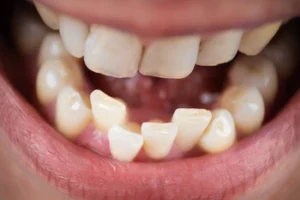
Many people focus on how their upper teeth look in photos, but it is often the bottom teeth that cause the most day-to-day frustration. Crowding, twisting, or uneven spacing in the bottom row can make it hard to clean your teeth, increase the risk of gum disease, affect oral health, and even cause teeth grinding.
The good news is that there are many safe and effective ways to straighten your teeth, even if you have mild, moderate, or crooked bottom teeth that have bothered you for years.
This guide will keep things simple. You will learn why bottom teeth shift, what causes misaligned bottom teeth, and the main teeth straightening options that can help you reach your desired smile. We will also look at factors that affect treatment duration, treatment cost, and long-term care, so you know what to expect before starting any orthodontic treatment.
Why Lower Teeth Tend to Shift Over Time
While top teeth get the most attention, the lower teeth often move more over time. Several natural and lifestyle-based factors can slowly push your bottom teeth out of alignment.
Jaw size and natural crowding
The lower jaw usually has less room than the upper jaw. When there is not enough space, the bottom teeth can rotate or overlap. This leads to teeth crowding, a problem that affects both teenagers and adults.
Growth and pressure from other teeth
Even as adults, your teeth still move. The pressure from nearby other teeth, especially impacted or late-erupting wisdom teeth, can slowly push your bottom teeth forward and create crooked teeth.
 Everyday habits
Certain habits can affect teeth alignment, such as
- Thumb sucking during childhood
- Resting your tongue against the lower front teeth
- Grinding or clenching during sleep
These habits can make misaligned teeth more noticeable over time.
Bite problems
If your bite is uneven, your bottom teeth may receive more pressure than your upper ones. Over the years, this pressure can worsen crooked or crowded teeth, making it harder to clean and potentially causing bad breath, plaque, or irritation to your gums.
Oral hygiene challenges
Crowded or misaligned bottom teeth are harder to clean. Food particles get stuck more easily, increasing the risk of decay, gum disease, or discomfort. Good oral hygiene matters, but alignment issues make it harder to maintain.
All these factors explain why choosing the right treatment options can make a long-term difference. Straightening the lower teeth is not just cosmetic; it supports your oral health, bite, comfort, and confidence.
The Main Ways to Straighten Bottom Teeth
When it comes to teeth straightening, people often worry that the only choice is braces. But today, there are many ways to straighten crooked teeth, especially in mild or moderate cases. Below are the most trusted and commonly recommended teeth-straightening options, whether you want something discreet or something traditional.
Clear Aligners
Many adults prefer aligners because they are almost invisible and easy to use. If you want to straighten your bottom teeth without metal brackets, clear aligners are a modern, flexible choice.
Invisalign clear aligners
 Invisalign aligners are one of the most popular options. The trays are custom-made to fit snugly and gently move your teeth over time.
The Invisalign treatment uses a series of trays that you switch every 1 to 2 weeks to gradually straighten the bottom teeth. Benefits include:
- They are removable for meals, brushing, and flossing.
- They are comfortable and smooth against your gums.
- They can correct many types of misaligned teeth, including mild to moderate crowding or rotation.
Invisalign works well for adults who want a discreet option and for teens who can keep up with the required wear time, usually 20 to 22 hours daily.
Traditional Metal Braces
Traditional metal braces have been used for decades and remain one of the most reliable ways to fix bottom teeth. If your case involves more than simple rotation or crowding, metal braces may be recommended.
These braces use brackets and wires to move the teeth into new positions. They can correct
- Severe bite problems
- Major teeth alignment issues
- Heavy crowding
- Complex misaligned bottom teeth
Many people choose traditional braces because they often move teeth faster and can manage difficult cases more easily than removable trays.
Ceramic Braces
If you like the power of braces but want something less noticeable, ceramic braces are a good option. They work just like metal braces but use tooth coloured brackets.
Ceramic braces are
- More discreet
- Effective for moderate to complex alignment issues
- A good alternative for people who prefer fixed appliances
They sit on both top teeth and bottom teeth, depending on your treatment plan, and can help you reach a beautiful smile without the strong metallic look.
Lingual Braces
Lingual braces sit behind the teeth, making them almost invisible from the outside. They offer the strength of traditional braces but without the visible brackets.
They can correct
- Crowding
- Rotations
- Bite problems
- Misaligned teeth in both arches
They are a strong option for adults who want powerful results and a discreet look.
How Your Dentist Chooses the Appropriate Option
Choosing how to straighten the bottom teeth is not just about appearance. Your dentist looks at several important factors before building your personalised treatment plan.
Severity of the misalignment
For mild to moderate crowding, clear aligners or Invisalign treatment may work well. For more complex cases, traditional braces, ceramic braces, or lingual braces may be needed.
Jaw size and bite
A small jaw or uneven bite can affect how your teeth move. Your dentist may take scans or X-rays to see how your teeth fit together.
Impact of habits
If you grind your teeth, clench your jaw, or have a history of thumb sucking, your dentist may adjust your plan or recommend adding a nighttime guard.
Oral health and gum condition
If your gums or oral hygiene need attention, your dentist might treat those issues first. Healthy gums help your teeth move more safely during treatment.
Your lifestyle
If you prefer removable trays, aligners may suit you if you can maintain consistent wear time.
If you want something less hands-on, braces may be easier.
Treatment cost
Your treatment cost will vary depending on
- The type of appliance
- How long the plan takes
- How complex your case is
Aligners tend to cost more than metal braces, but many people prefer the convenience.
Treatment duration
Your treatment duration can vary depending on the starting position of your teeth. Mild crowding may take 6 to 12 months. More complex issues may take 18 to 24 months or longer, regardless of the method you choose.
When You Should Consider Straightening Bottom Teeth
Straightening the bottom teeth can make daily life easier and support your general oral health. It may be worth speaking to a dentist if you notice any of the following: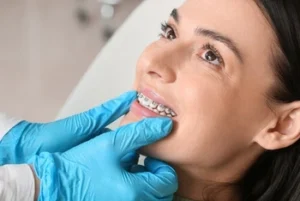
- Difficulty flossing or brushing the bottom row
- Teeth that overlap or twist
- Discomfort when chewing
- Signs of teeth grinding
- A change in your bite
- Increasing plaque or recurring gum irritation
- That your smile does not look the way you want it to
Even subtle changes can make a difference in cleaning ability, comfort, and confidence.
What You Can Expect During Treatment
Once your plan starts, you will be guided step by step. Here is what usually happens during orthodontic treatment for the bottom teeth.
Regular check-ins
You will visit your dentist every few weeks for adjustments or new sets of aligners.
Small, gradual movements
All methods work by applying gentle pressure to gradually straighten the teeth. This is why staying consistent is important. The changes happen slowly and steadily over time.
Oral hygiene matters
Keeping your mouth clean is essential. Proper brushing and flossing help prevent
- Gum disease
- Build-up of food particles
- Bad breath
- Irritation around brackets or aligners
With crowded or crooked bottom teeth, this becomes even more important.
Lifestyle adjustments
With braces, you may avoid some hard or sticky foods.
With removable aligners, you remove the trays before meals and clean them daily.
Wearing retainers afterwards
No matter how you straighten your teeth, you must wear retainers once treatment ends. This prevents the teeth from shifting back. Retainers protect your new straight teeth and your long-term alignment.
Straightening Only the Bottom Teeth: Is It Possible?
Many people ask if they can straighten only the bottom teeth without touching the upper ones. The answer is: sometimes, depending on your bite and alignment.
If your upper teeth are already in a good position, your dentist may focus only on the lower arch.
However, if straightening the lower teeth affects the way your upper and lower teeth meet, your dentist may recommend treating both arches to create a balanced bite.
This decision protects your long-term comfort and prevents uneven wear on the teeth.
How to Get Started
The first step in straightening your bottom teeth is a consultation with a dentist. During this visit, your teeth, bite, and overall alignment are assessed to determine which treatment options may be suitable for your situation.
Based on this assessment, your dentist can explain whether clear aligners, braces, or a combination of approaches may be appropriate. You will also learn how the treatment may fit into your daily routine and what to expect moving forward.
From there, a personalised treatment plan is created to support comfortable tooth movement, balanced alignment, and long-term stability, while taking your lifestyle and preferences into account.
Long-Term Benefits of Straightening Your Bottom Teeth
Straightening your lower teeth is not only about looks, although many people love the improvement in their smile. Here are the main benefits
Healthier gums
Straighter teeth reduce the risk of gum disease and inflammation.
Better oral hygiene
Cleaning becomes easier when you eliminate overlapping sections where food particles get trapped.
Reduced enamel wear
Correcting the bite can prevent grinding, uneven wear, and microcracks.
More comfortable chewing
When the teeth are aligned properly, chewing feels natural and effortless.
A straighter smile
You will see a visible improvement, not necessarily a perfect smile, but a natural, confident one that reflects your features.
A lasting result with retainers
If you consistently wear retainers, your new alignment stays stable for many years.
Final Thoughts
Fixing crooked bottom teeth can improve everything from cleaning and comfort to confidence. Whether you choose Invisalign aligners, traditional braces, lingual braces, or ceramic braces, you have many safe ways to reach a healthier, more natural, straighter smile.
Straightening the lower teeth is about more than looks; it is a long-term investment in your oral health, your bite, and your day-to-day comfort.
If you are concerned about crooked or crowded bottom teeth or want a clearer idea of your treatment options, you can book a consultation with us at Definitive Dental or call (02) 6105 9833.
Resources
“Mayo Clinic Staff (2024). ‘Teeth Grinding (Bruxism)’. Rochester, MN, 27 December. Rochester, MN: Mayo Clinic.
https://www.mayoclinic.org/diseases-conditions/bruxism/symptoms-causes/syc-20356095”
“Watson, S. (2024). ‘Gingivitis and Periodontal Disease (Gum Disease)’. New York, 9 February. New York: WebMD.
https://www.webmd.com/oral-health/gingivitis-periodontal-disease”
“Cleveland Clinic Staff (2023). ‘Cavities’. Cleveland, OH, 27 March. Cleveland, OH: Cleveland Clinic.
https://my.clevelandclinic.org/health/diseases/10946-cavities”
“Cherney, K. and McLean, A. (2025). ‘10 Ways to Keep Your Teeth Healthy’. San Francisco, CA, 13 May. San Francisco, CA: Healthline Media.
https://www.healthline.com/health/dental-and-oral-health/best-practices-for-healthy-teeth”