

Tooth abscess pain can be intense, distressing, and difficult to ignore. It often starts as a throbbing toothache and may quickly worsen. A tooth abscess is a significant dental infection that needs timely professional care. Learning the causes and recognising when to seek care can support both your oral health and general wellbeing.
What Is A Tooth Abscess?
A tooth abscess is a dental infection that develops as a result of bacterial invasion. It forms when bacteria invade the inner part of the tooth or the surrounding tissues. The body responds by creating a pocket of pus, which leads to swelling and pressure.
There are two main types:
- Periapical abscesses, which form at the tip of the tooth root
- Periodontal abscess, which develops in the gum tissue next to the tooth
Both can cause significant discomfort and require professional care.
Why Does It Happen?
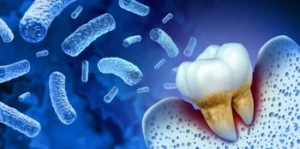 Most abscesses begin with tooth decay. When dental caries create a deep cavity, bacteria can move past the tooth enamel and reach the tooth pulp. The pulp contains nerves and blood vessels. Once infected, the pulp tissue becomes inflamed and may die, creating an infected pulp.
Other causes include:
- Cracks or damage to a tooth
- Gum disease
- Previous dental work
- Trauma to the tooth
- Impacted wisdom tooth
When bacteria invade, the infection can spread through the inner pulp and into surrounding tissues.
Symptoms Of A Tooth Abscess
The symptoms of a tooth abscess may vary, but common signs include:
- Severe tooth pain
- Persistent throbbing toothache
- Sensitivity to hot or cold food
- Swelling in the face or gums
- Tenderness in the affected tooth
- Bad breath
- A bad taste or unusual taste in your mouth
- Fever
- Swollen lymph nodes
- A feeling of pressure in the jaw
Sometimes, pain may lessen if the abscess drains. However, this does not mean the problem is gone. The infection can still remain.
Why You Should Not Ignore It
If left untreated, a tooth infection can become serious. The infection can extend past the tooth root and move into the jawbone or surrounding tissues. In rare cases, the infection spreads to other parts of the body.
Seek urgent medical care if you notice:
- Swelling that affects breathing.
- Trouble breathing.
- Difficulty swallowing.
- Severe facial swelling.
- High fever.
These symptoms should be assessed urgently.
Treatment Options
Treatment depends on how advanced the infection is.
Root Canal Treatment
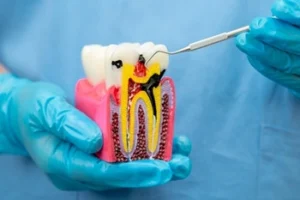
For many abscesses, root canal treatment is recommended. During a root canal procedure, the damaged pulp tissue is removed, and the internal space of the tooth is thoroughly cleaned before being sealed. This can help save the natural tooth and stop the infection.
A properly restored tooth can function normally after healing.
Tooth Extraction
If the tooth cannot be saved, tooth extraction may be required. Removing an abscessed tooth prevents further spread. After healing has occurred, tooth replacement options, including a dental implant, can be discussed.
Drainage Of The Abscess
In certain situations, a dentist may create a small opening to release the built-up pus and reduce pressure.
Antibiotics
A dentist may prescribe antibiotics to help control dental infections, especially if swelling has spread.
Antibiotics support healing but do not replace the need for dental treatment.
How Tooth Abscess Pain Differs From Other Toothaches
Not all tooth pain signals an abscess. While many dental problems cause discomfort, abscess pain often has distinct features.
Pain from simple tooth decay may feel sharp when eating sweets or drinking something hot or cold. A cracked tooth may cause discomfort when biting or releasing pressure. Gum irritation can feel tender or sore along the gum line.
Tooth abscess pain, however, is often deeper and more intense. It may feel like a constant throbbing or pulsing sensation. The area can feel pressured or swollen, and the pain may spread to the jaw, ear, or neck. Some people notice the discomfort worsens when lying down due to increased blood flow to the head.
Although symptoms can overlap, persistent throbbing pain combined with swelling or fever should raise concern for infection.
Managing Pain Before Your Appointment
 If you are waiting for your dental appointment, you can take steps to manage discomfort:
- Use over-the-counter medication for pain relief.
- Rinse gently with warm salt water.
- Avoid chewing on the affected side.
- Keep the area clean.
These steps may reduce discomfort, but do not cure the infection.
It is important to seek treatment as soon as possible to prevent complications.
How Gum Disease And Abscesses Are Linked
Advanced gum disease can create deep pockets around teeth. These pockets allow bacteria to collect, leading to a periodontal abscess. In some cases, the tooth may feel loose, and the surrounding gum tissue becomes swollen.
Regular checkups help identify gum problems early before infection develops.
Protecting Your Oral Health
Preventing abscesses begins with strong daily habits:
- Brush twice daily with fluoride toothpaste.
- Floss daily.
- Attend regular checkups.
- Address small cavities early.
- Maintain good overall dental care.
When decay is treated early, bacteria are less likely to reach the inner pulp.
 When To See A Dentist
Any sign of a dental abscess should be assessed promptly. Do not wait for the pain to worsen. Even if symptoms ease temporarily, the infection may still be present.
If you experience persistent tooth pain, swelling, or other symptoms listed above, contact your dentist. Early treatment reduces the risk of further complications and protects other teeth.
Final Thoughts
Tooth abscess pain is a sign of infection that should never be ignored. No matter whether it develops from untreated tooth decay, gum disease, or trauma, a dental abscess needs professional assessment.
Prompt care can relieve pain, control infection, and preserve your natural tooth where possible. Delaying treatment increases the risk that the infection spreads, leading to more complex health issues.
If you suspect a tooth abscess or would like clarity about your symptoms, you can book a consultation with us at Definitive Dental or call (02) 6105 9833 to discuss the next steps.
Note: Any surgical or invasive procedure carries risks. Before proceeding, you should seek a second opinion from an appropriately qualified health practitioner.
Resources
“Colgate Editorial Team. (2023). ‘What Is Good Oral Hygiene?’. Colgate, 9 January. New York, NY: Colgate-Palmolive Company. https://www.colgate.com/en-us/oral-health/adult-oral-care/what-is-good-oral-hygiene”
“Cleveland Clinic. (2025). ‘Tooth Extraction’. Cleveland Clinic, 4 April. Cleveland, OH: Cleveland Clinic. https://my.clevelandclinic.org/health/treatments/22120-tooth-extraction”
“Mayo Clinic Staff. (2024). ‘Impacted Wisdom Teeth’. Mayo Clinic, 1 February. Rochester, MN: Mayo Foundation for Medical Education and Research. https://www.mayoclinic.org/diseases-conditions/wisdom-teeth/symptoms-causes/syc-20373808”