
Getting a dental crown can help protect a damaged or decayed tooth, and it’s common to notice some tooth sensitivity after crown placement. You might feel a brief twinge with hot or cold foods, or when you bite down. Often this settles, but some signs are worth having checked.
At DF Canberra Emergency Dentist, we take the time to explain what to expect after crown treatment, so you know when to let us know.
Quick Overview
- Tooth sensitivity after crown placement is a common reaction as the tooth settles, though how it feels can differ from person to person.
- It often shows up as a short twinge with hot and cold foods, and in many cases it eases over the first few weeks.
- How long it lasts may depend on the condition of the tooth before treatment, how much preparation it needed and how the crown meets your bite.
- Some patterns, such as sharp pain when biting or pain that starts on its own, can point to something other than normal settling.
Below, we explain why a new crown can feel sensitive, what may help at home and when it’s a good idea to see your dentist.
Is Tooth Sensitivity After Crown Placement Normal?
Mild sensitivity after a new crown is common. It usually feels like a short twinge with hot or cold foods or pressure, and typically fades within days to a few weeks as the tooth adjusts. Sensitivity that gets worse, lingers or keeps you awake should be checked.
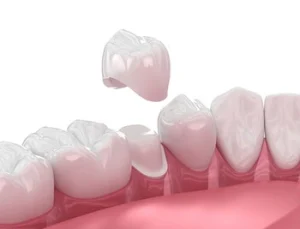
A crown is a cap that covers the visible part of a natural tooth. The crown itself has no feeling. What you notice comes from the underlying tooth structure and the tissue inside it.
Why Does a Crowned Tooth Feel Sensitive?
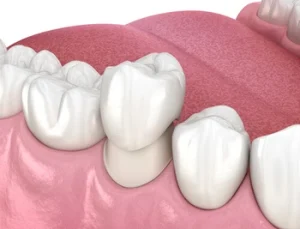 Tooth preparation. Reshaping the tooth to make room for the crown can leave exposed dentin, the layer under the enamel. Dentin has tiny channels leading to the dental pulp, the soft centre that holds the tooth’s nerve and blood vessels, so hot and cold foods can trigger sensitivity.
Irritation of the pulp. Removing decay and shaping a damaged tooth can leave the pulp a little inflamed. In many cases, it calms down on its own.
The temporary crown stage. If your crown is made over two visits, a temporary crown protects the tooth in between. It doesn’t seal as closely, so temporary sensitivity is common.
The fit and your bite. How the crown seals and how it meets your opposite teeth both play a part. A crown that sits slightly high can make the tooth sore when you chew, and a crown that doesn’t fit properly can cause pain or trouble chewing.
If the tooth has had root canal treatment, the nerve has been removed, so temperature sensitivity is less likely, though the gum can still feel tender.
What Affects New Crown Sensitivity?
Factors that may influence how a crowned tooth feels include:
- Pre-existing damage: deep decay or cracks near the nerve can leave the pulp more reactive.
- Amount of tooth preparation: removing more tooth structure can leave more dentin exposed.
- Crown margins: the edge where the crown meets the tooth needs to seal well. A gap may allow sensitivity or decay around the crown.
- Gum recession: if the gum pulls back, the root surface near the crown can become exposed and sensitive.
- Teeth grinding: clenching or grinding puts extra pressure on the crown and surrounding teeth.
- Bite alignment: proper bite alignment spreads chewing forces evenly, while a high spot can cause soreness when biting.
Normal Sensitivity or Something More?
These patterns usually fit normal settling:
- a brief twinge with cold foods or drinks that fades within seconds
- sensitivity that slowly improves week by week
These signs are worth having checked sooner:
- sharp pain when biting or chewing
- sudden sharp pain or spontaneous pain without a trigger
- a lingering ache or throbbing that keeps you awake
- swelling, gum inflammation or a bad taste around the crown
- persistent sensitivity that hasn’t improved after a few weeks, or seems to worsen
Severe pain may mean the nerve is struggling, the bite needs adjusting, or decay has formed under the crown. Depending on the cause, your dentist may discuss a bite adjustment, root canal treatment or crown replacement.
How to Care for a New Crown and Reduce Sensitivity
 These steps may help while your tooth settles:
- Brush twice a day with a soft-bristled toothbrush and gentle pressure.
- Try a toothpaste made for sensitive teeth. These won’t help if decay is causing the problem.
- Clean between your teeth daily, including around the crown.
- If needed, use over-the-counter pain medications as directed on the label or by your pharmacist.
- If you grind your teeth, ask your dentist whether a night guard may suit you.
Good oral hygiene matters long term, because the natural tooth under the crown can still decay.
A Considered Approach to Tooth Sensitivity After a Crown
Some sensitivity after getting a dental crown is part of the tooth settling. Every tooth responds differently, so how long it lasts depends on your individual situation.
If your new crown still feels sensitive, or something doesn’t feel right when you bite, our team in Griffith can check the fit, your bite and the tooth underneath, then talk you through your options. Call Definitive Dental on (02) 6105 9833 or contact us online to arrange a visit.
Frequently Asked Questions
How long does tooth sensitivity after crown placement last?
For many people, it eases within a few days to a few weeks. Teeth with deep decay or cracks before treatment may take longer. If it isn’t improving, ask your dentist to check it.
Why does my crowned tooth hurt when I bite down?
Pain on biting can mean the crown sits slightly high and needs a small adjustment. It can also point to a crack or an irritated nerve, which a dental professional can assess.
Is it normal for a temporary crown to be sensitive?
Some sensitivity is common, because a temporary crown doesn’t seal as closely as the final one. Let your dentist know if it comes loose.
Can a crown cause sensitivity years later?
It can. Common reasons include gum recession exposing the root, decay at the crown margins, or a worn or damaged crown.
Does sensitivity after a crown mean I need a root canal?
Not usually. Mild sensitivity that slowly improves is often part of normal healing. Spontaneous pain, lingering pain or swelling may suggest the pulp is inflamed, and your dentist may then discuss further treatment.
References
- Healthdirect Australia. Dental crown procedure. https://www.healthdirect.gov.au/dental-crown-procedure
- Australian Dental Association, Teeth.org.au. Sensitive teeth. https://teeth.org.au/sensitive-teeth