

A wisdom tooth root canal is less common than root canal treatment on other teeth, but in certain situations, it may be an option. Wisdom teeth, known as third molars, are the final teeth to develop and typically emerge during the late teenage years or early adulthood. Because of where they sit in the mouth, they are more likely to develop dental issues that require careful assessment.
This guide explains when root canal treatment on a wisdom tooth may be considered, how the procedure works, and how it compares with other treatment options, using clear and simple language.
What Is a Wisdom Tooth?
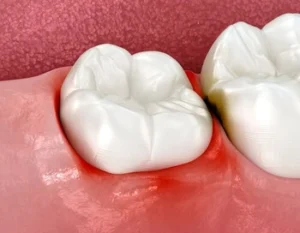
A wisdom tooth is one of the four third molars located at the back of the mouth. These molars often emerge later than other teeth and may not always have enough space to grow properly.
In some people, wisdom teeth erupt normally and function like other teeth. In others, they may be partially erupted or remain trapped beneath the gums, which can increase the risk of dental issues.
 What Is a Root Canal?
A root canal is a dental treatment designed to remove infection from within a tooth. If the inner part of the tooth, called the pulp, becomes infected or inflamed, a root canal treatment may be advised to help keep the tooth.
The pulp is made up of nerves and blood vessels that support the tooth during its development. After a tooth has fully developed, it can function without the pulp, which allows a root canal treatment to be performed.
Why Would a Wisdom Tooth Need a Root Canal?
A wisdom tooth may need a root canal if the pulp becomes infected due to:
- Deep tooth decay or cavities
- A cracked or severely damaged tooth
- Repeated infection of the surrounding gum tissue
- Trauma affecting the tooth root
An infected pulp can cause pain, swelling, and sensitivity to cold temperatures. If left untreated, the infection may spread to nearby teeth, soft tissue, or bone.
Is a Wisdom Tooth Root Canal Common?
A wisdom tooth root canal is not common, and many patients assume tooth extraction is the only option. However, in some cases, keeping the wisdom tooth may be possible and beneficial.
Dentists consider several factors before recommending treatment, including:
- Position of the tooth
- Accessibility for dental procedures
- Condition of the tooth structure
- Impact on adjacent teeth and other teeth
- Overall oral health
Because wisdom teeth are located so far back, performing a root canal can be technically challenging.
Root Canal vs Tooth Extraction for Wisdom Teeth
There are different factors to consider before choosing a treatment.
When Extraction Is Often Suggested
In many cases, dentists suggest removing a wisdom tooth because:
- It is difficult to clean properly.
- It does not contribute much to chewing.
- There is limited space in the mouth.
- The tooth is impacted or poorly positioned.
Tooth removal may help prevent future problems and reduce the risk of ongoing infection.
When a Root Canal May Be Considered
A root canal procedure may be considered if:
- The wisdom tooth is fully erupted.
- It functions well with other molars.
- Removing it may affect nearby structures.
- The tooth helps maintain balance with opposing teeth.
The goal is always to avoid unnecessary pain and preserve natural teeth when appropriate.
How Dentists Decide on the Right Treatment
Before recommending a treatment, the dentist will assess the tooth using:
- A clinical examination
- X-rays to assess the shape of the roots and the condition of the surrounding bone
- A review of symptoms and dental history
This information helps create a clear treatment plan that aims to treat the infection and prevent complications.
What Happens During a Wisdom Tooth Root Canal?
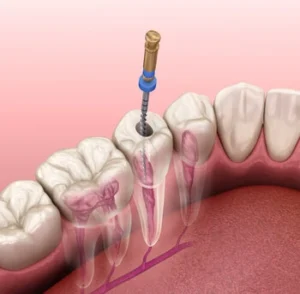
A root canal procedure is a carefully planned medical procedure designed to remove infection while keeping the outer tooth intact.
Step-by-Step Overview
- Local anaesthesia is used to numb the area.
- The dentist accesses the pulp inside the tooth.
- The dentist removes the infected tissue from inside the root canal spaces.
- The canals are cleaned and shaped.
- The space is filled with gutta-percha, a rubber-like material.
- The tooth is sealed to prevent reinfection.
The procedure is usually completed in one visit, although this can vary depending on complexity.
Does a Wisdom Tooth Root Canal Hurt?
Many patients worry that a root canal is painful. In reality, modern techniques aim to reduce discomfort.
During the procedure, the area is numb, and most people feel little more than pressure. After treatment, some mild discomfort or tenderness may occur for a few days.
The level of discomfort can differ based on how advanced the infection is and how the tooth reacts after treatment.
 Recovery After a Root Canal on a Wisdom Tooth
After the procedure, patients are often advised to:
- Avoid eating until numbness wears off.
- Avoid chewing on the treated side for a short time.
- Keep the area clean as advised.
Some sensitivity when you touch shortly after treatment is normal and usually settles as healing progresses.
Risks and Possible Complications
Like all dental procedures, a wisdom tooth root canal carries some possible risks. These may include:
- Persistent infection
- Difficulty cleaning the treated tooth
- Damage to the surrounding soft tissue
- Ongoing discomfort
Because wisdom teeth are harder to reach, treatment requires a highly skilled approach to minimise complications.
What Happens If an Infection Is Left Untreated?
When a decayed or infected wisdom tooth is left untreated, problems may worsen over time. Possible outcomes include:
- Spread of infection to the jawbone
- Damage to nearby teeth
- Increased pain and swelling
- Greater risk of gum disease
Early treatment helps treat infection and protect overall oral health.
 Root Canal vs Dental Implant
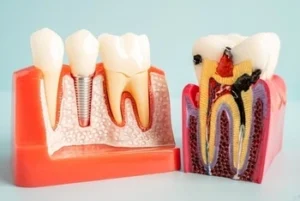
If a wisdom tooth is removed, replacement is not always necessary. However, for other teeth, options such as a dental implant may be discussed.
Wisdom teeth are different from other molars, as they often do not need to be replaced once removed. This is another reason extraction is commonly chosen over root canal therapy for these teeth.
Who May Be Suitable for a Wisdom Tooth Root Canal?
Not all patients are suitable candidates. Suitability depends on:
- Tooth position and root shape
- Level of decay or infection
- Overall dental and medical history
The dentist will evaluate whether a root canal can restore normal function or if tooth removal is the more appropriate choice.
How Long Does the Procedure Take?
The length of the process can vary. Some root canal treatments are completed quickly, while others take longer due to:
- Complex root systems
- Multiple canals
- Level of infection
Your dentist will outline what you can expect based on the details of your individual situation.
Why Wisdom Teeth Are More Complex to Treat With Root Canal Therapy
Several factors can make root canal treatment on wisdom teeth more challenging than on other teeth.
Unpredictable Root Structure
Wisdom teeth often have complex root systems. Their roots may be curved, narrow, or vary in number, which can make cleaning and sealing the canals more difficult. In some cases, the root canals are harder to locate or fully access, increasing the technical difficulty of the procedure.
Limited Access at the Back of the Mouth
Because wisdom teeth sit at the very back of the mouth, reaching them can be challenging. Limited space, reduced visibility, and difficulty keeping the mouth open for extended periods may affect how easily treatment can be carried out. These access issues can also increase treatment time compared with root canals on front or premolar teeth.
Ongoing Cleaning and Maintenance Challenges
After treatment, wisdom teeth can be harder to keep clean due to their position. Food particles and plaque may build up more easily, especially if brushing and flossing the back teeth is already difficult. This can raise the risk of future decay or gum irritation around the treated tooth.
Long-Term Function and Value of the Tooth
Dentists also consider whether the wisdom tooth is likely to remain useful over time. Some wisdom teeth do not contribute significantly to chewing or bite balance. If a treated tooth is unlikely to provide long-term function, preserving it may offer limited benefit compared with removal.
Why Careful Case Selection Matters
These challenges do not automatically rule out a wisdom tooth root canal. Instead, they explain why dentists assess each case carefully. Factors such as root anatomy, oral hygiene habits, and overall dental health help determine whether root canal treatment is a predictable and suitable option.
By considering these points, dentists aim to recommend treatment that supports long-term oral health while minimising future complications.
Caring for a Treated Wisdom Tooth
After treatment, good dental care supports healing and long-term success. This includes:
- Brushing and cleaning carefully
- Attending follow-up appointments
- Monitoring for changes or discomfort
Good care helps protect both the treated tooth and the surrounding gum tissue.
When to Contact Your Dentist
You should contact your dentist if you experience:
- Ongoing or worsening pain
- Swelling that does not reduce
- Signs of infection, such as discharge
- Difficulty opening the mouth
Early review can help manage issues before they become more serious.
Bringing It All Together
A wisdom tooth root canal is not always the first option, but in selected cases, it may help save a natural tooth and relieve infection. Dentists weigh several factors before recommending root canal treatment or extraction, with the aim of protecting oral health and preventing future problems.
Understanding your options allows you to make informed decisions and approach treatment with greater confidence.
If you’re experiencing pain from a wisdom tooth or need guidance on the right treatment approach, you can book a consultation with us at Definitive Dental or call (02) 6105 9833.
Note: Any surgical or invasive procedure carries risks. Before proceeding, you should seek a second opinion from an appropriately qualified health practitioner.
Resources
Colgate Oral Care Center Editorial Team (2023). ‘What Is Good Oral Hygiene?’. Colgate Oral Care Center, 9 January. New York, NY: Colgate-Palmolive Company. https://www.colgate.com/en-us/oral-health/adult-oral-care/what-is-good-oral-hygiene
Mayo Clinic Staff (2024). ‘Dental Implant Surgery’. Mayo Clinic, 23 October. Rochester, MN: Mayo Foundation for Medical Education and Research. https://www.mayoclinic.org/tests-procedures/dental-implant-surgery/about/pac-20384622
Healthdirect Australia Editorial Team (2024). ‘Local Anaesthetic’. Healthdirect Australia, last reviewed April 2024. Canberra, ACT: Australian Government Department of Health. https://www.healthdirect.gov.au/local-anaesthetic
Cleveland Clinic Medical Editorial Team (2024). ‘Cracked Tooth (Fractured Tooth)’. Cleveland Clinic, last reviewed 29 April. Cleveland, OH: Cleveland Clinic Foundation. https://my.clevelandclinic.org/health/diseases/21628-fractured-tooth-cracked-tooth