
A broken tooth can happen unexpectedly, whether from biting something hard, playing sports, or an accidental knock to the mouth. Some fractures feel minor, while others cause severe pain the moment they occur. Because every situation is different, many people wonder: Is a broken tooth an emergency?
In most cases, any chipped or broken tooth should be assessed as soon as possible. Even small cracks can worsen quickly, affect your oral health, or lead to infection if left untreated. Knowing when to call a dentist, what warning signs to look for, and which immediate steps to take can make a significant difference in preventing further complications.
This guide explains when a broken tooth is considered a dental emergency, what to do right away, and how prompt treatment protects your dental health.
When a Broken Tooth Becomes a Dental Emergency
Not all chips are the same. Understanding the difference between minor damage and a true dental emergency helps you act confidently.
Signs Your Broken Tooth Needs Immediate Attention
A chipped or cracked tooth becomes an emergency when symptoms indicate serious damage or possible infection. Seek emergency dental care if: 
- You experience severe pain when biting or touching the affected area
- The tooth has visible damage, such as a large piece missing
- There is bleeding around the gums or a tooth
- The tooth feels loose or moves when touched
- You notice swelling, warmth, or signs of infection
- You suffered a dental injury during sports or an accident
- You have a knocked-out tooth along with the break
In these situations, urgent care is essential to prevent infection, tooth loss, or further damage.
When a Minor Break Is Not an Emergency
Minor chips or shallow cracks often do not cause pain. However, they can still collect bacteria, irritate the gums, or lead to decay if ignored.
Even if the damage seems small, visiting a dentist within a few days is important to protect the tooth and avoid future health issues.
Immediate Steps to Take After a Broken Tooth
Acting quickly can reduce pain, protect the tooth, and prevent further complications before you reach the dentist.
Clean and Protect the Area
Use warm water to softly rinse your mouth to clear away debris. This helps keep the affected area clean and reduces the risk of infection.
If there is bleeding, use sterile gauze to apply gentle pressure.
Manage Pain and Swelling
Use a cold compress or ice pack on the outside of your cheek to reduce swelling. Over-the-counter pain relief may help you manage pain, but avoid using aspirin on the gums.
Cover Sharp Edges
If part of the tooth is sharp or irritating the mouth, a small amount of sugar-free gum can be placed over the area temporarily. This helps shield your tongue and cheeks from cuts until you receive professional care.
Save Any Broken Pieces
If a fragment broke off, gently place it in milk or saline and bring it to your emergency appointment. In some cases, it can be bonded back onto the tooth.
Common Types of Broken Teeth and What They Mean
Not all fractures require the same treatment. Knowing the difference helps you understand what the dentist may recommend.
Chipped Tooth
A chipped tooth usually involves surface enamel. It may not be painful, but it still needs assessment to prevent decay and avoid further fractures.
Cracked Tooth
A cracked tooth may have a line running from the crown toward the root. This can cause pain when chewing or sensitivity to temperature. A cracked tooth often needs prompt treatment to stop the crack from spreading.
Chipped or Cracked Tooth with Severe Symptoms
If the crack extends into the deeper layers of the tooth or affects the nerve, urgent dental care is required. Immediate intervention reduces the risk of infection and even tooth loss.
Deeply Fractured Tooth
Deep fractures that reach the pulp may require further treatment, including a root canal or a crown. Prompt treatment protects the tooth and prevents further complications.
Why Waiting Can Make a Broken Tooth Worse
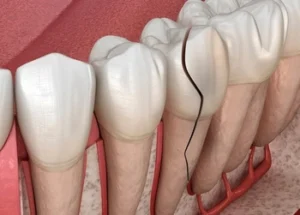 Even when pain feels manageable, delaying care after a broken tooth can lead to complications that are harder to treat later. Tooth damage often progresses beneath the surface, especially when cracks expose inner layers to bacteria.
Small fractures can deepen over time, allowing decay or infection to reach the pulp. Once the nerve is affected, treatment becomes more complex and may involve procedures such as a root canal or crown instead of simpler repairs.
Broken teeth can also affect how your bite functions. Changes in bite pressure may place stress on surrounding teeth or the jaw, increasing the risk of further damage or discomfort.
Seeking a timely assessment helps preserve the tooth structure, reduce the risk of infection, and improve the chances of a straightforward recovery.
How a Dentist Treats a Broken Tooth
Once you arrive at the dental clinic, your dentist will examine the tooth, assess the extent of the damage, and suggest the treatment option that fits your situation.
Treatment may include:
- Bonding for small chips
- A filling to restore structure
- A crown for deeper fractures
- A root canal when the nerve is exposed
- Emergency services for complex injuries
- Extraction only if the tooth is too damaged to save
Getting prompt treatment protects your dental health and prevents issues such as infection, decay, or even tooth loss.
How to Prevent Further Damage in the Future
 While accidents happen, good habits can reduce the risk of dental injury.
- Wear a mouthguard when playing sports
- Try not to chew on hard things such as ice or pen caps
- Maintain strong oral hygiene to keep enamel healthy
- Visit your dentist regularly for check-ups
- Address teeth grinding early to prevent cracks
These steps help protect your teeth and support long-term dental health.
Final Thoughts
So, is a broken tooth an emergency?
In many cases, yes. A chipped or broken tooth that causes severe pain, shows visible damage, or results from an accident needs urgent dental care. Prompt treatment prevents further damage, reduces pain, and protects your oral health.
If you’re concerned about a broken tooth or want guidance on what to do next, you can book a consultation with us at Definitive Dental or call (02) 6105 9833 for personalised advice.
Note: Any surgical or invasive procedure carries risks. Before proceeding, you should seek a second opinion from an appropriately qualified health practitioner.
Resources
Cleveland Clinic Staff. (2023). ‘Cavities’. Cleveland Clinic, 27 March. Cleveland, OH: Cleveland Clinic.
https://my.clevelandclinic.org/health/diseases/10946-cavities
Colgate Editorial Team. (2023). ‘What Is Good Oral Hygiene?’. Colgate, 9 January. New York, NY: Colgate-Palmolive.
https://www.colgate.com/en-us/oral-health/adult-oral-care/what-is-good-oral-hygiene