

Experiencing broken wisdom tooth pain can be distressing. Wisdom teeth are the final molars to erupt, typically appearing during the late teenage years or early adulthood. Because they erupt at the back of the mouth, they are harder to clean and often do not have enough room to grow properly. This makes them more prone to cracks, decay, and infection.
When a broken wisdom tooth develops, it can lead to swelling, infection, and ongoing discomfort. Understanding what causes the pain and what treatment options are available can help protect your oral health and overall well-being.
Why Wisdom Teeth Are More Likely To Break
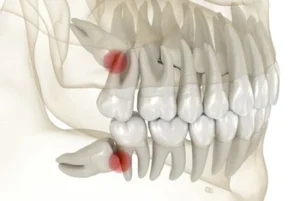
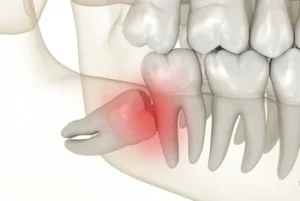 Wisdom teeth sit at the very back of the upper jaw and the lower jaw. In many people, the jaw does not have enough space for the teeth to erupt normally. This may result in impacted teeth, where the tooth becomes partially or completely trapped beneath the gum or bone.
Due to their position at the back of the mouth, wisdom teeth can more easily trap food particles and bacteria. Poor access for brushing increases the risk of tooth decay, cracks, and fractures. A small chipped tooth at the back of the mouth may go unnoticed until it becomes extremely painful.
A broken tooth in this area can expose the inner layers of the tooth, sometimes leading to an infected pulp or surrounding gum inflammation.
What Causes Broken Wisdom Tooth Pain?
There are several reasons a broken wisdom tooth may cause pain:
- Decay that weakens the tooth structure
- Biting down on hard foods
- Pressure from surrounding teeth
- Gum inflammation around partially erupted teeth
- Trauma to the mouth or jaw
When the outer layer of the tooth breaks, bacteria can enter the affected tooth. This may lead to throbbing pain, swelling, or a gum infection. In some cases, an untreated broken wisdom tooth can result in more serious dental problems, including infection spreading to nearby tissue.
Pain may feel sharp when biting or chewing. It can also radiate into the jaw, ear, or surrounding tooth area.
Signs And Symptoms To Watch For
Pain related to a wisdom tooth can appear in several different forms. You may notice:
- Persistent or worsening tooth pain
- Swelling in the surrounding gums
- Red or tender gum tissue
- Bad breath or an unpleasant taste
- Difficulty opening the mouth fully
- Pain when chewing
If the area becomes infected, the pain can become extremely uncomfortable. Swelling may extend along the jawline. In rare cases, infection may cause fever or difficulty swallowing.
Prompt action can help prevent infection and reduce the risk of further complications.
Can A Broken Wisdom Tooth Heal On Its Own?
A broken wisdom tooth does not repair itself. Once the tooth structure is damaged, bacteria can enter and worsen the situation. Even if the pain eases temporarily, the underlying issue may remain.
Ignoring the problem increases the risk of:
- Spread of infection
- Damage to surrounding teeth
- Bone loss in the affected area
- More complex treatment later
Seeking professional advice early helps avoid significant problems.
Treatment Options For A Broken Wisdom Tooth
The choice of treatment depends on how extensive the damage is and where the tooth is positioned.
Dental Filling Or Repair
If the break is minor and there is no deep infection, a dental filling may restore the tooth. This option is more common if the wisdom tooth has erupted fully and is easy to access.
However, fillings are not always practical for wisdom teeth due to their location.
Root Canal Treatment
If infection reaches the pulp inside the tooth, root canal treatment may be considered. Root canal treatment removes infected tissue and seals the tooth. That said, root canals on wisdom teeth are less common and depend on the tooth’s position and overall condition.
Wisdom Tooth Extraction
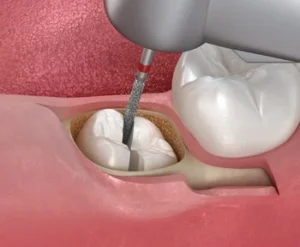 In many situations, removing the wisdom tooth is considered the most appropriate option. Removing the damaged tooth can relieve pain and prevent future infection. When the tooth is partially erupted or impacted, removal may involve a surgical or invasive procedure.
It is important to understand that any invasive procedure carries risks. Your dentist will explain the process, possible complications, and recovery steps before proceeding.
When wisdom teeth are removed, the surrounding area can heal more predictably, reducing the likelihood of repeated infection.
Upper Vs Lower Wisdom Tooth Pain: What Feels Different?
Broken wisdom tooth pain can feel different depending on whether the tooth sits in the upper jaw or the lower jaw. While both can cause discomfort, the surrounding structures and the way each area is used during chewing can influence where the pain is felt and how it behaves.
Lower wisdom teeth often cause more noticeable jaw discomfort because the lower jaw moves constantly when you talk and eat. If a lower wisdom tooth is partially erupted or impacted, the gum tissue around it may be more likely to become irritated during chewing. Some people also notice that pain from a lower wisdom tooth spreads along the jawline, particularly when the area is swollen or tender.
Lower wisdom teeth sit closer to major nerves in the jaw. This does not mean nerve problems are expected, but it may help explain why lower jaw pain sometimes feels deeper or more widespread. A lower wisdom tooth can also trap food against the back gumline, which can make the area feel sore after meals, even when the tooth itself is only slightly chipped.
Upper wisdom tooth pain can sometimes feel less “jaw heavy” but may be harder to pinpoint. Because upper wisdom teeth sit closer to the cheek and upper gumline, irritation may be noticed when brushing, eating, or when the cheek rubs against a rough tooth edge. Some people describe upper wisdom tooth pain as a pressure-like feeling in the upper back mouth rather than sharp jaw pain.
It is also possible for pain to feel like it is coming from another tooth. This is because the back molars share nerve pathways, and the brain does not always locate the exact source accurately. Upper tooth pain may sometimes be noticed around the temple area or near the upper jaw hinge, while lower tooth pain may be felt closer to the angle of the jaw.
A dentist can confirm whether the upper jaw or lower jaw is the main source of pain, and whether the wisdom tooth itself is cracked, decayed, or affected by gum irritation. This is particularly important when symptoms shift from one side to the other or feel difficult to localise.
The Importance Of Good Oral Hygiene
Maintaining consistent oral hygiene is particularly important when managing broken or decayed wisdom teeth. Cleaning the area carefully helps limit bacteria and reduce the risk of gum disease.
Use a soft toothbrush and carefully clean around the affected tooth area. Be cautious if the area is tender. Avoid aggressive brushing that could irritate the surrounding gums.
Regular dental check-ups allow early detection of issues before they become severe.
Managing Pain Before Treatment
While waiting for a dental appointment, you may be able to manage discomfort at home.
To reduce pain and swelling:
- Apply a cold compress to the outside of the jaw.
- Rinse gently with warm water and salt.
- Use prescribed or recommended pain medication as directed.
- Follow a soft diet and choose easy-to-chew foods.
These steps can help reduce swelling and make eating more comfortable. However, they do not replace professional care. They provide temporary relief only.
When To Seek Immediate Treatment
 You should seek treatment urgently if you experience:
- Increasing or spreading swelling
- Severe or worsening pain
- Signs of infection, such as fever
- Difficulty swallowing or opening the mouth
In these situations, immediate treatment may be needed to prevent further damage or infection.
Long-Term Considerations
Wisdom teeth that cause repeated problems may require removal even if symptoms settle temporarily. If there is not enough room in the mouth, keeping them can lead to ongoing complications.
Protecting your oral health involves monitoring wisdom teeth early, particularly during the late teens when they first begin to emerge.
Final Thoughts
Broken wisdom tooth pain is often a sign that the tooth is damaged, decayed, or infected. Since wisdom teeth sit at the back of the mouth, they can be more difficult to clean properly and may be more likely to develop complications.
Ignoring a broken wisdom tooth can lead to infection, swelling, and further complications. Treatment options range from fillings to extraction, depending on the condition of the tooth.
If you are experiencing broken wisdom tooth pain, swelling, or signs of infection, and would like clear guidance about your treatment options, you can arrange a consultation with us at Definitive Dental or call (02) 6105 9833. We are happy to assess the situation and explain the most appropriate next steps in a calm and straightforward way.
Note: Any surgical or invasive procedure carries risks. Before proceeding, you should seek a second opinion from an appropriately qualified health practitioner.
Resources
“Kubala, J. (2023). ‘Soft Food Diet: Foods to Eat and Foods to Avoid’. Healthline, 15 March. San Francisco, CA: Healthline Media. Medically reviewed by Kathy W. Warwick, RDN, CDCES. https://www.healthline.com/nutrition/soft-food-diet”
“Colgate (2023). ‘What Is Good Oral Hygiene?’. Colgate, 9 January. New York, NY: Colgate-Palmolive Company. https://www.colgate.com/en-us/oral-health/adult-oral-care/what-is-good-oral-hygiene”
“Cleveland Clinic (2024). ‘Dental Fillings’. Cleveland Clinic, 13 May. Cleveland, OH: Cleveland Clinic. Medically reviewed. https://my.clevelandclinic.org/health/treatments/17002-dental-fillings”
“Mayo Clinic Staff (2023). ‘Cavities and Tooth Decay’. Mayo Clinic, 30 November. Rochester, MN: Mayo Foundation for Medical Education and Research. https://www.mayoclinic.org/diseases-conditions/cavities/symptoms-causes/syc-20352892”