

If a piece of tooth fell off, no pain may be present at first, and that can be misleading. Many people expect a broken tooth to hurt immediately. When there is no discomfort, it may seem minor. However, even without symptoms, damage to a natural tooth should not be ignored.
Teeth are made of layers. The outer layer, known as tooth enamel, protects the inner structure. If part of the enamel chips away, the deeper areas may remain protected. For that reason, you may not notice any immediate sensation. Even so, the situation can change if it is left untreated.
Why A Piece Of Tooth Can Break Without Pain
There are several reasons a piece of tooth may come away without discomfort.
Minor Chip Or Craze Lines
Sometimes, small surface cracks known as craze lines develop. These are tiny lines in the enamel that usually do not affect the deeper tooth structure. A minor chip may also occur from biting into hard candy, ice cubes, or other hard foods. If only the outer enamel is involved, there may be no immediate symptoms.
Chipped Molar Or Chewing Surface Damage
A chipped molar at the back of the mouth can lose part of its chewing surface without causing pain. Molars handle strong biting forces, and over time, they may develop fractured cusp areas or small weaknesses.
Tooth Decay Or Old Fillings
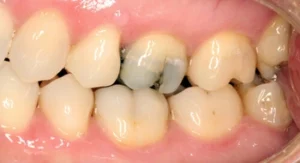
In some cases, tooth decay weakens the structure from the inside. When decay progresses under old fillings, part of the tooth can break away suddenly. You may notice a small jagged edge or rough surface, but no discomfort at first.
When A Cracked Tooth Is More Serious
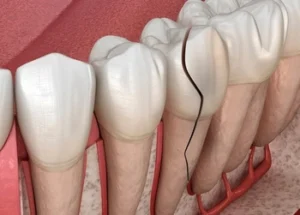 Not all damage is harmless. A cracked tooth may extend deeper than it appears. A small visible chip or crack can sometimes be part of a larger problem.
A split tooth or vertical root fracture affects deeper areas and may involve the tooth roots. These types of fractures are more serious and can eventually lead to infection.
If a larger part of the tooth has broken off, especially near the gum line, the inner tissues may be exposed. While you might not feel symptoms immediately, the situation can worsen over time.
Signs To Watch For After A Tooth Breaks
Even if a piece of tooth fell off with no pain, monitor the area carefully. Symptoms may appear later.
Watch for:
- Sensitivity to hot or cold foods
- Discomfort when chewing
- A rough or sharp edge cutting the tongue or cheek
- Swelling in the mouth
- Changes in how your bite feels
If you begin to experience new pain, swelling, or notice the tooth is becoming cracked or broken further, seek help.
Could It Be A Dental Emergency?
A small chip is not always a dental emergency, but some situations require prompt attention.
You should see a dentist urgently if:
- A large portion of the tooth is missing.
- The tooth is completely broken.
- There is bleeding that does not stop.
- There has been direct trauma to the mouth.
- The injured tooth feels loose.
In severe cases, infection can develop. This may require more complex treatment, such as a root canal.
What To Do Immediately
If a piece breaks off, try to locate it. Place the fragment in a small container and bring it to your appointment. Sometimes it can help the dentist assess the situation.
Rinse your mouth gently with warm salt water to clean the area. Avoid biting on the affected side to prevent further damage. If the tooth has a jagged edge, cover it temporarily with dental wax until you can get professional advice.
Even without pain, it is important to book an appointment as soon as possible. Early care helps protect healthy teeth and prevent bigger problems.
Possible Treatment Options
The right treatment depends on how much of the tooth has broken and whether deeper structures are involved.
Dental Filling
For small chips or minor enamel damage, a dental filling or bonding material may be used to restore shape and protect the surface.
Dental Crown
If a larger section is missing, a dental crown may be recommended. A crown covers the remaining tooth to protect it and restore strength. Crowns are often used when a large portion of the structure is lost.
Root Canal
If damage extends to the inner tissues containing blood vessels, infection may occur. In that case, a root canal may be required to clean and seal the inside of the tooth.
Extraction
In rare cases, if the tooth is severely fractured and cannot be restored, removal may be the only option. If this happens, your dentist will discuss options to replace a missing tooth.
Why There May Be No Pain At First
It can feel reassuring when there is no discomfort, but pain is not always a reliable indicator of damage. Teeth respond differently depending on the location and depth of the break. If the pulp remains sealed and healthy, inflammation may not occur straight away.
Another factor is nerve response. Nerves react when irritated, compressed, or exposed. If a fracture remains limited to the outer structure, the nerve may not register any change. In some cases, surrounding tissues can also adapt temporarily, delaying symptoms.
Individual pain thresholds vary as well. What feels noticeable to one person may feel insignificant to another. This can make it harder to judge the seriousness of the issue based on sensation alone.
For these reasons, the absence of pain does not confirm that a tooth is stable. A clinical examination helps determine whether the structure is sound or whether early intervention is needed to prevent future problems.
Front Teeth Vs Back Teeth
The position of the tooth can influence both how damage occurs and how it is managed. Front teeth are designed mainly for biting and cutting food. When they chip, it is often from direct impact, such as a fall or accidental contact.
Back teeth have a different role. Molars and premolars are built to grind food and absorb strong forces. Their broad chewing surfaces contain natural grooves and raised areas. These features help with function but can also create stress points over time.
Because back teeth endure heavier pressure, fractures may develop gradually rather than from a single event. Small areas of weakness can progress slowly before becoming noticeable.
The location of the break may also affect how easily it is detected. Damage on a visible surface is usually noticed quickly, while changes on a chewing surface may only become apparent during eating or routine examination.
Can A Tooth Break During Normal Activities?
A tooth does not always break during an obvious accident. Everyday habits can place steady pressure on enamel and supporting structures. Grinding during sleep can create repeated stress that weakens certain areas over time.
Temperature changes may also play a role. Rapid shifts between very hot and very cold foods can cause slight expansion and contraction in tooth structure. While this is usually harmless, repeated stress in already weakened areas can contribute to small fractures.
Ageing can influence resilience as well. As fillings wear or enamel becomes thinner, the remaining structure may not distribute biting forces evenly. This imbalance can increase the chance of a small section breaking away during routine chewing.
Understanding these contributing factors helps explain why a tooth may fracture even without trauma. Regular check-ups allow early signs of wear to be identified before a piece separates.
When X-Rays Are Needed
Not all fractures are visible on the surface. An examination may show a chip, but it cannot always reveal how far the damage extends. X-rays provide a view beneath the enamel and into the supporting bone.
They can help assess whether the break has affected the root structure or surrounding tissues. In some cases, subtle changes in the bone or ligament space may suggest stress that is not obvious during a visual check.
X-rays can also assist in evaluating older restorations. If a filling is present, imaging helps determine whether decay has formed beneath it or whether the remaining tooth structure is intact.
Imaging decisions are based on clinical findings and symptoms. The goal is not routine scanning, but targeted assessment when deeper involvement is suspected. This approach supports accurate diagnosis and informed treatment planning.
Protecting Your Teeth Going Forward
 To reduce the risk of another incident:
- Avoid biting hard foods or ice cubes.
- Do not chew on pens or objects.
- Maintain good oral hygiene.
- Replace worn or failing restorations.
- Attend regular check-ups.
Protecting enamel and treating decay early helps prevent fractures.
Final Thoughts
If a piece of tooth fell off with no pain, it may seem minor, but it should not be ignored. Whether it is a chipped tooth, cracked tooth, or more serious fracture, early assessment helps prevent complications.
Even when there is no immediate discomfort, underlying damage may exist. Seeing a dentist allows the tooth to be examined properly and managed before problems develop.
If you are concerned about a chipped or broken tooth, or would like reassurance about what it means for your oral health, you can book a consultation with us at Definitive Dental or call (02) 6105 9833 to discuss the next steps.
Note: Any surgical or invasive procedure carries risks. Before proceeding, you should seek a second opinion from an appropriately qualified health practitioner.
Resources
“Cherney, K. and McLean, A. (2025). ‘10 Ways to Keep Your Teeth Healthy’. Healthline, 13 May. San Francisco, CA: Healthline Media. https://www.healthline.com/health/dental-and-oral-health/best-practices-for-healthy-teeth”
“Colgate-Palmolive Company. (n.d.). ‘Bruxism (Teeth Grinding)’. Colgate Oral Care Center. New York, NY: Colgate-Palmolive Company. https://www.colgate.com/en-ph/oral-health/bruxism/bruxism-teeth-grinding”
“Cleveland Clinic. (2023). ‘Dental Crowns’. Cleveland Clinic, 14 April. Cleveland, OH: Cleveland Clinic. https://my.clevelandclinic.org/health/treatments/10923-dental-crowns”
“Mayo Clinic Staff. (2023). ‘Cavities and Tooth Decay’. Mayo Clinic, 30 November. Rochester, MN: Mayo Foundation for Medical Education and Research. https://www.mayoclinic.org/diseases-conditions/cavities/symptoms-causes/syc-20352892”