

If a decayed tooth broke off at gum line, it can feel alarming and confusing. One moment, the tooth may have felt weak or sensitive, and the next, part of it snaps off completely. This situation is more than a cosmetic concern. It often signals advanced tooth decay and damage to the tooth’s structure that needs immediate attention.
This guide explains why this happens, what risks are involved, and what treatment options may be available. It also covers what to do straight away to protect your mouth and prevent further complications.
Why Teeth Break at the Gum Line
Teeth rarely break at the gum line without warning. In most cases, the tooth has been weakened over time. Tooth decay, repeated fillings, cracked teeth, or excessive pressure from grinding can all reduce the strength of a tooth.
When decay reaches deep into the tooth, it weakens the remaining tooth structure. The visible part of the tooth may appear intact, but beneath the surface, its structure is compromised. Eventually, even normal biting forces can cause the tooth to fracture.
This is especially common in back teeth. When a molar breaks, it often takes more force because molars handle most of the chewing load.
Is This a Dental Emergency?
Yes, in many cases, this situation is considered a dental emergency. A broken tooth at the gum line may leave sharp edges, expose nerves, or reveal the tooth root underneath. This can lead to sudden tooth pain, sensitivity, or swelling.
If the break exposes the pulp or root, bacteria can quickly enter and lead to infection. This is why it’s important to seek immediate dental attention, especially if there is pain, swelling, or bleeding.
What Happens When the Tooth Breaks So Low?
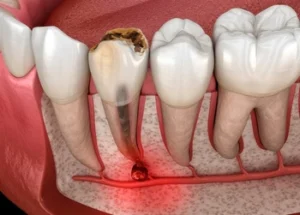 When a tooth is broken at the gum line, there is often little visible tooth left above the gums. In some cases, the root remains inside the jaw, while the crown portion has snapped off.
This may involve:
- Exposed or infected root tissue
- Limited remaining tooth structure above the gums
If left untreated, this can cause inflammation in the surrounding gums, contribute to gum disease, and increase the risk of infection spreading.
Signs You Should See a Dentist Immediately
You should contact a dentist immediately if you notice:
- Persistent or worsening tooth pain.
- Bleeding or swelling near the gum line.
- A sharp or jagged tooth edge.
- Bad taste or odour coming from the area.
- Sensitivity to hot, cold, or sweet foods.
These symptoms may indicate damaged pulp, infected pulp, or exposed nerves.
What a Dentist Will Check First
During a thorough examination, the dentist will assess:
- How much of the remaining tooth is intact.
- Whether the tooth root is healthy.
- If there is an infection in the pulp or bone.
- The condition of the surrounding teeth and gums.
X-rays are often used to see how deep the damage goes and whether the root can still support a restoration.
Treatment Options for a Tooth Broken at the Gum Line
The appropriate treatment depends on how much healthy structure remains and whether the root is stable.
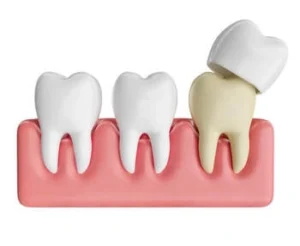 Dental Crown (If Enough Tooth Remains)
In some cases, a dentist may be able to rebuild the tooth. If sufficient tooth structure remains, a dental crown may be placed to restore function and protect the tooth.
This often requires root canal therapy first if the pulp is affected. A crown then covers the tooth, helping prevent further damage.
Root Canal Therapy
If decay or trauma has reached the pulp, root canal treatment may be required. This removes infected tissue and helps prevent infection from spreading.
After a root canal, the tooth is usually restored with a crown to strengthen the weakened tooth.
Dental Bonding (Limited Cases)
Dental bonding may be an option for small fractures, but it is rarely suitable when a tooth has broken at the gum line. Bonding does not provide enough strength in severe cases.
Tooth Extraction and Replacement
If the root is damaged or cannot support a restoration, removal may be recommended. This results in a missing tooth, which should be replaced to protect the bite and oral health.
Replacement options may include:
- A dental implant
- A bridge
- A removable prosthetic tooth
Replacing the tooth helps protect surrounding teeth from shifting and reduces strain on the jaw.
Why You Should Not Ignore a Broken Root
A broken root left under the gum can cause ongoing problems. Even if pain fades, infection can still develop silently.
If root remains are left in place, they may:
- Cause swelling or an abscess.
- Damage surrounding the bone.
- Affect dental health long-term.
- Increase the risk of further complications.
Early treatment helps ensure proper healing and reduces risks.
Short-Term Care Before Your Appointment
While you are waiting for a dental appointment, you can:
- Avoid chewing on that side.
- Rinse gently with warm salt water.
- Keep the area clean
- Avoid hard, sticky, or sugary foods.
Do not attempt to smooth sharp edges yourself. This can worsen the injury and increase infection risk.
How This Affects Your Overall Oral Health
A tooth breaking at the gum line often signals broader oral health issues. Advanced decay, weakened teeth, and poor oral hygiene habits can increase the risk of similar problems in other teeth.
This type of dental dilemma highlights the importance of preventive care.
Preventing Teeth From Breaking in the Future
 While not all breaks can be prevented, preventive measures can reduce risk:
- Maintain good oral hygiene.
- Wear a mouthguard during contact sports or high-impact activities.
- Address bite issues that place excess pressure on certain teeth.
- Attend regular dental check-ups.
Routine visits allow early detection of decay and cracks before they cause fractures.
Why Prompt Care Matters
Delaying treatment can allow bacteria to spread, increasing pain and complexity. Prompt dental care helps protect remaining teeth, lowers infection risk, and reduces the likelihood of more invasive treatment.
Seeking professional dental care early often leads to simpler and more predictable outcomes.
Final Thoughts
If a decayed tooth broke off at gum line, it is rarely a minor issue. It often involves deep decay, compromised tooth structure, and potential infection. Acting quickly is key.
If you experience this situation, seek prompt dental care so the tooth and surrounding tissues can be properly assessed. Early intervention helps prevent complications, supports healing, and protects your long-term dental health.
If you’re dealing with a decayed tooth that has broken at the gum line and want to understand what can be done to protect your mouth and prevent further problems, you can book a consultation with us at Definitive Dental or call (02) 6105 9833.
Note: Any surgical or invasive procedure carries risks. Before proceeding, you should seek a second opinion from an appropriately qualified health practitioner.
Resources
Colgate Editorial Team (2023). ‘What Is Good Oral Hygiene?’. Colgate, 9 January. New York, NY: Colgate-Palmolive Company. https://www.colgate.com/en-us/oral-health/adult-oral-care/what-is-good-oral-hygiene
Watson, S.; medically reviewed by Wyatt Jr., A. D. (2024). ‘Gingivitis and Periodontal Disease (Gum Disease)’. WebMD, reviewed 9 February. New York, NY: WebMD LLC. https://www.webmd.com/oral-health/gingivitis-periodontal-disease
Mayo Clinic Staff (2024). ‘Dental Implant Surgery’. Mayo Clinic, 23 October. Rochester, MN: Mayo Foundation for Medical Education and Research.
https://www.mayoclinic.org/tests-procedures/dental-implant-surgery/about/pac-20384622