
If your teeth are slightly crooked, chipped or uneven, you may have looked into veneers as a way to change how your smile looks. A common question is: do you need straight teeth for veneers, or can they work with teeth that sit a little out of line?
At Definitive Dental in Griffith, we take the time to assess your teeth, gums and bite before discussing any cosmetic option, so you understand your options.
Quick Overview
- Veneers are thin coverings bonded to the front surface of teeth. They change how teeth look, not where they sit.
- You don’t always need straight teeth for veneers, and they may suit some people with slightly crooked teeth or small gaps.
- How far a tooth sits out of line can affect how much natural tooth enamel may need to be removed.
- Your bite, gum health and existing teeth often shape whether straightening first is worth considering.
Below, we explain when veneers may work on crooked teeth, when orthodontic treatment may come first and what to ask at your consultation.
Do You Need Straight Teeth for Veneers?
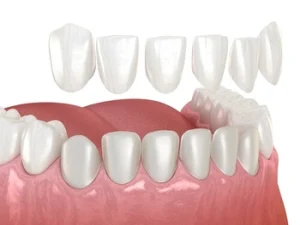 Not always. Veneers can often help with mild alignment issues, such as slightly crooked teeth, small gaps or a slightly rotated tooth. When teeth are more crowded, or the bite is affected, a dentist may suggest straightening teeth first. The right order depends on your individual situation.
Veneers are thin shells, usually made from porcelain or composite resin, bonded to the front surface of a tooth. They change its colour, shape and apparent position, but they don’t move the root or change how your upper and lower teeth meet. With severe misalignment, the teeth still sit in the wrong place, so veneers alone may not be the most suitable option. Veneers are also fixed to your teeth and can’t be taken off, so the decision deserves careful thought.
Why Does Tooth Position Matter for Veneers?
A veneer sits on the front surface of a tooth, so it can only line up evenly if the tooth underneath is in a suitable position. The further a tooth sits out of line, the more of its surface may need to be reduced to bring it into line with its neighbours. Veneers usually bond most reliably to tooth enamel, the hard outer layer. If preparation goes deeper, the bond can be less predictable, and the tooth may become more sensitive.
Enamel removed for traditional veneers does not grow back. This is one reason Australia’s dental regulator has cautioned that cosmetic procedures such as veneers can be lifelong commitments that carry risk. For more crowded teeth, moving them into a better position first may help keep enamel reduction to a minimum.
What Affects Whether Veneers Suit Crooked Teeth?
- Severity of misalignment. Small gaps and mild crookedness are often easier to work with than crowding.
- Your bite. Teeth that meet unevenly can put extra force on veneers and increase the risk of chipping.
- Oral health. Gum disease, tooth decay or broken teeth usually need attention before cosmetic dentistry.
- Enamel thickness. Thin or worn enamel leaves less room for preparation.
- Type of veneer. Traditional, minimal prep, no prep and composite veneers involve different amounts of enamel removal.
- Habits. Grinding or clenching can strain veneers and natural teeth.
When Might Orthodontic Treatment Come First?
If teeth are crowded or the bite needs adjusting, a dentist may suggest clear aligners or traditional braces before veneers. This can take a few months or longer, depending on the movement needed.
Straightening first may mean less enamel reduction later, and sometimes fewer teeth need veneers.
How to Care for Veneers
Veneers need the same daily care as natural teeth:
- Brush twice a day with fluoride toothpaste and clean between your teeth daily.
- Avoid biting hard objects, such as ice, pens or fingernails.
- Ask about a night guard if you grind your teeth.
- Keep up regular visits so your dentist can check your veneers, gums and bite.
Porcelain veneers are generally more durable than composite veneers, though both may need replacing over time.
 A Considered Approach to Veneers
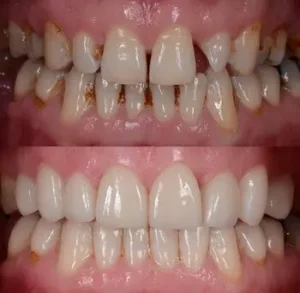
Straight teeth are not always a requirement for veneers. What matters is how your teeth, gums and bite work together, and whether veneers alone, straightening first or another option may suit you. Individual outcomes vary.
If you’re weighing up veneers, a consultation is a sensible first step. Our team can look at your teeth and bite, explain the options that may suit you and answer your questions, so you can decide in your own time.
To book a consultation, call Definitive Dental on (02) 6105 9833.
Frequently Asked Questions
Can you get veneers if you have crooked teeth?
You may be able to, depending on how crooked your teeth are. Veneers can often mask slightly crooked teeth or minor rotations, while more crowded teeth may need straightening first.
Do you need straight teeth for veneers, or braces first?
Not everyone needs braces first. Braces or clear aligners are more often suggested when teeth are crowded, the bite is uneven, or a large amount of enamel would otherwise need removing. A comprehensive evaluation helps show whether straightening first may be worthwhile.
Are no prep veneers suitable for crooked teeth?
No prep veneers involve little or no enamel removal, so they usually suit teeth that are already fairly well aligned. Because they add thickness, they may not suit teeth that sit forward or are crowded.
Can veneers close small gaps between teeth?
Veneers can sometimes close small gaps by changing the width and shape of the front teeth. Larger gaps may be better managed with orthodontic treatment or a combination of approaches.
How long do veneers last?
Veneers can last for years, but there is no fixed lifespan. How long they last depends on the material, your bite, habits such as grinding, oral hygiene and regular dental visits.
References
- healthdirect Australia. Veneers. https://www.healthdirect.gov.au/procedures/dental-procedures-and-appliances/veneers
- Australian Dental Association. Caution urged by dental regulator around cosmetic dental procedures. https://ada.org.au/caution-urged-by-dental-regulator-around-cosmetic-dental-procedures