
A broken tooth with no pain can feel confusing. You might notice a rough edge, a visible chip, or realise a tooth has broken, yet feel no discomfort at all. This often leads people to delay care, assuming that if there is no pain, the issue is not serious.
In reality, a broken tooth without pain can still affect your oral health. This guide explains why a tooth can break without causing pain, what risks may still exist, and when to see a dentist.
 How a Tooth Can Break Without Pain
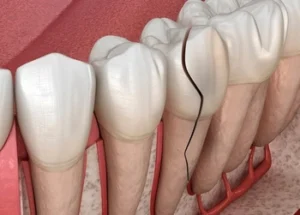
Teeth are made of layers. The outer layer, known as tooth enamel, is strong but does not contain nerves. When a tooth breaks or chips and only the enamel is affected, pain may not be felt.
Pain usually occurs when damage reaches the tooth pulp, where nerves and blood vessels are located. If the pulp is not exposed or irritated, a cracked tooth or chipped tooth may go unnoticed at first.
Common Reasons Teeth Break Without Discomfort
Certain factors can weaken teeth without immediate discomfort.
Minor Chips and Enamel Damage
A small chipped tooth or minor chip often affects only the enamel. This may happen from biting hard objects, accidental knocks, or wear over time. A chipped front tooth is often noticed quickly because of its appearance, even if there is no pain.
Back Teeth and Molars
Back teeth handle more biting pressure. A chipped molar tooth or back tooth may crack while chewing hard or sticky foods. These areas can be harder to see, so damage may go unnoticed for longer.
Old Dental Work or Wear
Teeth with existing fillings, crowns, or wear from grinding may be more likely to break. Even a natural tooth can weaken over time due to tooth decay or repeated stress.
Can Problems Develop Even If There Is No Immediate Pain?
Yes. Tooth damage can progress quietly before any noticeable symptoms appear. Small cracks or chips can allow bacteria to settle into areas that are difficult to clean, even when the tooth feels normal at first.
As bacteria accumulate, changes may occur beneath the surface of the tooth or around the supporting tissues. This process can take time, which is why discomfort may not be present straight away. By the time pain appears, the damage is often more advanced and may require more involved treatment.
Monitoring a broken tooth early allows a dentist to manage changes before they affect the pulp, gums, or surrounding structures.
Types of Broken Teeth That May Not Hurt at First
Some types of tooth damage are less noticeable and easy to overlook.
Chipped Front Tooth
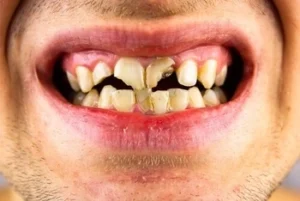 A chipped front tooth may feel rough or look uneven. Sharp edges can irritate the tongue or lips, even when there is no immediate discomfort.
Cracked Tooth
A crack that does not reach the pulp may not cause pain initially. However, temperature changes or pressure may later trigger sharp pain.
Broken Wisdom Tooth
A broken wisdom tooth, a chipped wisdom tooth, or a partially erupted wisdom tooth may not hurt straight away, especially if the tooth is partially erupted. However, these teeth are harder to clean and may develop an infection.
When a Broken Tooth Is a Dental Emergency
A broken tooth is not always a dental emergency, but certain situations require urgent care. You should contact an emergency dentist or seek dental care as soon as possible if:
- The tooth has a jagged edge, causing cuts.
- A large piece of the tooth has broken off.
- The tooth feels loose.
- There is swelling, bleeding, or signs of infection.
- The break affects the surrounding teeth.
Prompt dental treatment can help prevent further damage.
Why Seeing a Dentist Matters Even Without Pain
A dentist can evaluate how much damage is present and advise on the most suitable treatment. What looks like a minor chip may involve deeper cracks in the tooth’s structure.
A dental examination may include:
- Visual inspection.
- X-rays to assess internal damage.
- Checking how the tooth contacts other teeth.
Early care helps protect oral health and reduce the risk of future pain.
Treatment Options for a Broken Tooth
Treatment depends on how much of the tooth is damaged.
Dental Bonding
For small chips, dental bonding using tooth-coloured resin can smooth the tooth and restore shape. This is often used for front teeth or cosmetic repairs.
Dental Filling
A dental filling may be recommended if decay is present or if a larger area of enamel is missing.
Dental Crowns
Dental crowns may be used when a tooth is significantly weakened. A crown protects the remaining tooth and restores function.
Root Canal Treatment
If the pulp becomes affected or infection develops, root canal therapy or a root canal treatment may be needed to clear the infection and preserve the tooth.
Broken Teeth and Dental Implants
If a tooth cannot be saved and requires removal, dental implants may be discussed as a replacement option. While implants restore function, they require planning and healing time.
It is also important to note that infected dental implants can occur if oral hygiene is poor or the surrounding tissues become inflamed. Early management of broken teeth helps reduce the need for more complex treatment later.
Managing a Broken Tooth Before Your Dental Visit
While you are waiting for a dental visit, there are steps you can take to help protect the affected area:
- Avoid chewing on the affected side.
- Avoid hard or sticky foods.
- Cover sharp edges with dental wax if advised.
- Rinse gently to keep the area clean.
- Use pain relief only if discomfort develops.
Do not attempt to file or break the tooth further.
Can a Broken Tooth Heal on Its Own?
No. Teeth do not heal like skin or bone. A broken tooth will not repair itself. While pain may be absent, damage remains and can worsen if ignored.
This is why seeing a dentist, even without pain, is important.
How a Broken Tooth Can Affect Everyday Function
If a broken tooth is left untreated, risks may include:
- Spread of decay
- Infection reaching the pulp
- Increased chance of bone loss
- Damage to surrounding teeth
- More invasive treatment later
Early professional treatment is usually simpler and more conservative.
Prevention Tips to Protect Teeth
While accidents happen, some steps help reduce the risk of broken teeth:
- Avoid biting hard objects like ice.
- Be cautious with sticky foods.
- Maintain good oral habits.
- See a dentist regularly.
- Use protective gear during contact sports.
- Chew sugar-free gum to stimulate saliva.
Prevention supports a smile with healthy and strong teeth.
When to See a Dentist Immediately
 You should see a dentist immediately if:
- Pain develops suddenly.
- Swelling appears.
- The tooth becomes loose.
- There is bleeding that does not stop.
Early care helps manage pain and reduce complications.
How a Broken Tooth Without Pain Can Affect Your Bite Over Time
A broken tooth without pain can still change how your teeth come together when you bite. Teeth are designed to meet in a precise way, sharing pressure evenly across the mouth. When part of a tooth breaks, even slightly, that balance can be disrupted without being obvious.
Over time, nearby teeth may take on more pressure during chewing. This can lead to uneven wear, jaw fatigue, or sensitivity in other teeth that were not originally damaged. Some people may also start favouring one side of the mouth, which can place extra strain on the jaw muscles and surrounding joints.
An uneven tooth surface can also affect how teeth move against each other when eating or speaking. Rough or altered edges may increase friction, gradually wearing down opposing teeth. These changes often develop slowly, which makes them easy to overlook.
A dental assessment can identify early bite changes linked to a broken tooth and help prevent further complications. Addressing bite balance early supports comfortable chewing, protects surrounding teeth, and helps maintain long term oral health, even when no discomfort is present.
Bringing It All Together
You may notice a rough edge or visible chip and realise you have a broken tooth. No pain might be noticed at first, but the damage can still affect long-term oral health if it is ignored.
By arranging a dental visit, following professional advice, and maintaining good oral habits, you can protect your teeth, manage risks, and keep your smile healthy for the future.
If you have noticed a broken tooth and are unsure whether it needs treatment, you can book a consultation with us at Definitive Dental or call (02) 6105 9833.
Resources
Cherney, K., & McLean, A. (2025). ‘10 Ways to Keep Your Teeth Healthy’. Healthline, 13 May. San Francisco, CA: Healthline Media.
https://www.healthline.com/health/dental-and-oral-health/best-practices-for-healthy-teeth
WebMD Editorial Contributors (2024). ‘Dental Crowns’. WebMD, 14 October. New York, NY: WebMD LLC.
https://www.webmd.com/oral-health/dental-crowns
Colgate Oral Care Team (n.d.). ‘What Is Tooth Enamel?’. Colgate. New York, NY: Colgate-Palmolive Company.
https://www.colgate.com/en-us/oral-health/mouth-and-teeth-anatomy/what-is-tooth-enamel
Note: Any surgical or invasive procedure carries risks. Before proceeding, you should seek a second opinion from an appropriately qualified health practitioner.