
Poor oral hygiene not only impacts the outer surface of the teeth but also how the mouth functions overall. It affects how your teeth and gums function, and it can influence your overall health over time. Many oral health problems begin quietly, which is why early awareness is important.
When oral hygiene habits are inconsistent, food particles and bacteria build up. This leads to plaque buildup, which can damage tooth enamel and irritate gum tissue. Over time, this can result in a range of dental issues that become harder to manage.
This guide explains how poor oral hygiene develops, what signs to look for, and how it connects to broader oral health conditions.
What Is Poor Oral Hygiene, And Why Does It Matter
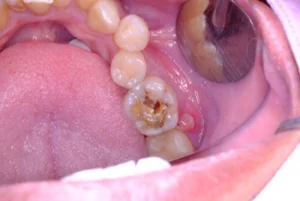 Poor oral hygiene refers to the lack of regular care needed to keep a healthy mouth. This includes brushing, cleaning between teeth, and attending regular dental check-ups.
When these steps are not followed, the balance of the mouth changes. Harmful bacteria can grow more easily, leading to poor oral health. This affects both the teeth and gums and increases the risk of dental problems.
Maintaining good oral hygiene supports healthy teeth and gums. It also helps prevent dental caries, gum infections, and other oral health issues that can progress over time.
How Poor Oral Hygiene Develops
Small daily habits often shape long-term oral health outcomes.
Everyday Habits That Affect Oral Health
Daily habits play a major role in whether oral hygiene is maintained or neglected. Skipping regular brushing or not cleaning properly allows plaque buildup to remain on the surface of teeth.
Diet also contributes. Frequent intake of sugary and acidic foods gradually weakens tooth enamel, which makes it easier for tooth decay to develop over time. Frequent alcohol consumption can also reduce saliva flow, which may affect oral health by limiting the mouth’s natural cleaning process.
When Small Issues Build Up
At first, poor oral hygiene may not cause noticeable discomfort. However, bacteria continue to multiply. This can lead to gum inflammation and gradual damage to the teeth.
Without early attention, minor concerns can gradually develop into more serious dental issues, such as gum disease and its advanced stages.
Common Signs Of Poor Oral Hygiene
Early changes can signal underlying issues before they progress.
Early Warning Signs
Recognising early signs can help prevent more severe dental issues. Some of the most common early warning signs include:
- Bleeding gums during brushing
- Swollen gums or gum bleeding
- Bad breath or persistent bad breath
- Sensitivity to hot or cold foods
These signs may appear mild, but they often indicate underlying problems.
When Symptoms Become More Noticeable
If poor oral hygiene continues, symptoms may progress. You may notice tooth pain, tooth sensitivity, or changes in how your teeth feel when biting.
At this stage, gum disease may develop. This can lead to gum infections and further damage to the surrounding tissue.
The Link Between Poor Oral Hygiene And Dental Problems
Ongoing plaque buildup can lead to more serious dental changes.
Tooth Decay And Dental Caries
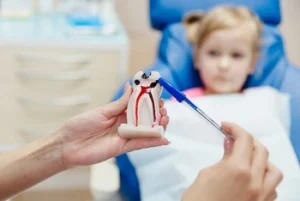 Tooth decay is one of the most frequent results of poor oral hygiene habits over time. When plaque buildup is not removed, bacteria produce acids that damage tooth enamel.
This process leads to dental caries, which can progress deeper into the tooth. Without appropriate treatment, decay may lead to tooth loss.
Gum Disease And Its Progression
Gum disease begins with gum inflammation. If left untreated, this condition can gradually progress into a more severe and advanced stage of gum disease.
This condition affects the structures that support the teeth. As it progresses, this can result in serious dental problems and, in some cases, tooth loss.
How Poor Oral Hygiene Affects Overall Health
Oral health and general health influence each other closely, with changes in one often affecting the other as time passes.
The Connection To Systemic Health Problems
Poor oral hygiene extends beyond the mouth and can influence other areas of the body.
Untreated oral infections may increase the risk of heart disease. There is also a recognised relationship between certain oral health conditions and rheumatoid arthritis.
Individuals with weakened immune systems are often more likely to develop oral infections, which can then affect overall health more broadly.
Oral Cancer And Long-Term Risk
Long-term poor oral health may also increase the risk of oral cancer. Regular dental visits allow early detection of changes that may not be visible at home.
Keeping up with good oral health habits can help reduce the chances of more serious conditions developing over time.
Other Oral Health Issues Linked To Poor Oral Hygiene
Poor oral hygiene may contribute to several other oral health issues, including:
- Dry mouth, which reduces natural protection against bacteria
- Tooth sensitivity caused by enamel damage
- Persistent bad breath linked to bacterial growth
- Increased risk of oral infections
These other oral health problems can affect daily comfort and make it harder to maintain a healthy mouth.
Preventing Poor Oral Hygiene
Simple daily care plays a key role in prevention.
Daily Oral Hygiene Habits
Maintaining good oral hygiene starts with simple daily habits:
- Regular brushing using fluoride toothpaste
- Cleaning between teeth to remove food particles
- Drinking water to support saliva production
These steps help reduce plaque buildup and protect tooth enamel.
Why Poor Oral Hygiene Often Goes Unnoticed At First
Poor oral hygiene does not always cause immediate or obvious symptoms, which is why it is often overlooked in the early stages.
In many cases, the early changes happen gradually. Plaque buildup can begin forming without causing pain, and gum inflammation may not be noticeable unless you are looking closely. This means oral health problems can develop without affecting daily comfort.
Another reason it goes unnoticed is that the mouth can adapt to small changes. For example, mild bad breath or slight gum bleeding may be ignored or seen as temporary, rather than recognised as early warning signs of a deeper issue.
Some signs are also easy to miss because they do not interfere with normal routines. Teeth may appear unchanged on the surface, even when early tooth decay or gum disease is developing underneath.
Because of this, poor oral hygiene often progresses quietly until symptoms become more noticeable, such as tooth sensitivity or visible gum changes.
Understanding this pattern helps explain why regular dental check-ups are important. They allow a dentist to identify changes that may not be obvious at home, supporting earlier care and more manageable outcomes.
Final Thoughts On Poor Oral Hygiene
 Poor oral hygiene can contribute to a wide range of oral health issues, ranging from mild discomfort to more advanced dental problems. While the early signs may seem manageable, they often indicate bigger changes in the mouth.
Maintaining good oral hygiene, attending regular dental check-ups, and following consistent oral hygiene habits can help support both your oral health and overall well-being.
By recognising the signs of poor oral health early and taking steps to address them, you can reduce the risk of long-term complications and support a healthy mouth.
If you are concerned about poor oral hygiene or would like support with improving your oral health, you can book a consultation with us at Definitive Dental or call (02) 6105 9833 to discuss your situation and appropriate care options.
Resources
“Colgate (2023). ‘What Is Good Oral Hygiene?’. Colgate, 9 January. New York, NY: Colgate-Palmolive Company. https://www.colgate.com/en-us/oral-health/adult-oral-care/what-is-good-oral-hygiene”
“Cleveland Clinic (2023). ‘Periodontal Disease (Gum Disease)’. Cleveland Clinic, 10 April. Cleveland, OH: Cleveland Clinic. https://my.clevelandclinic.org/health/diseases/21482-gum-periodontal-disease”
“Mayo Clinic Staff (2023). ‘Bad Breath’. Mayo Clinic, 21 December. Rochester, MN: Mayo Foundation for Medical Education and Research. https://www.mayoclinic.org/diseases-conditions/bad-breath/symptoms-causes/syc-20350922”